Why visit Château d’Amboise?

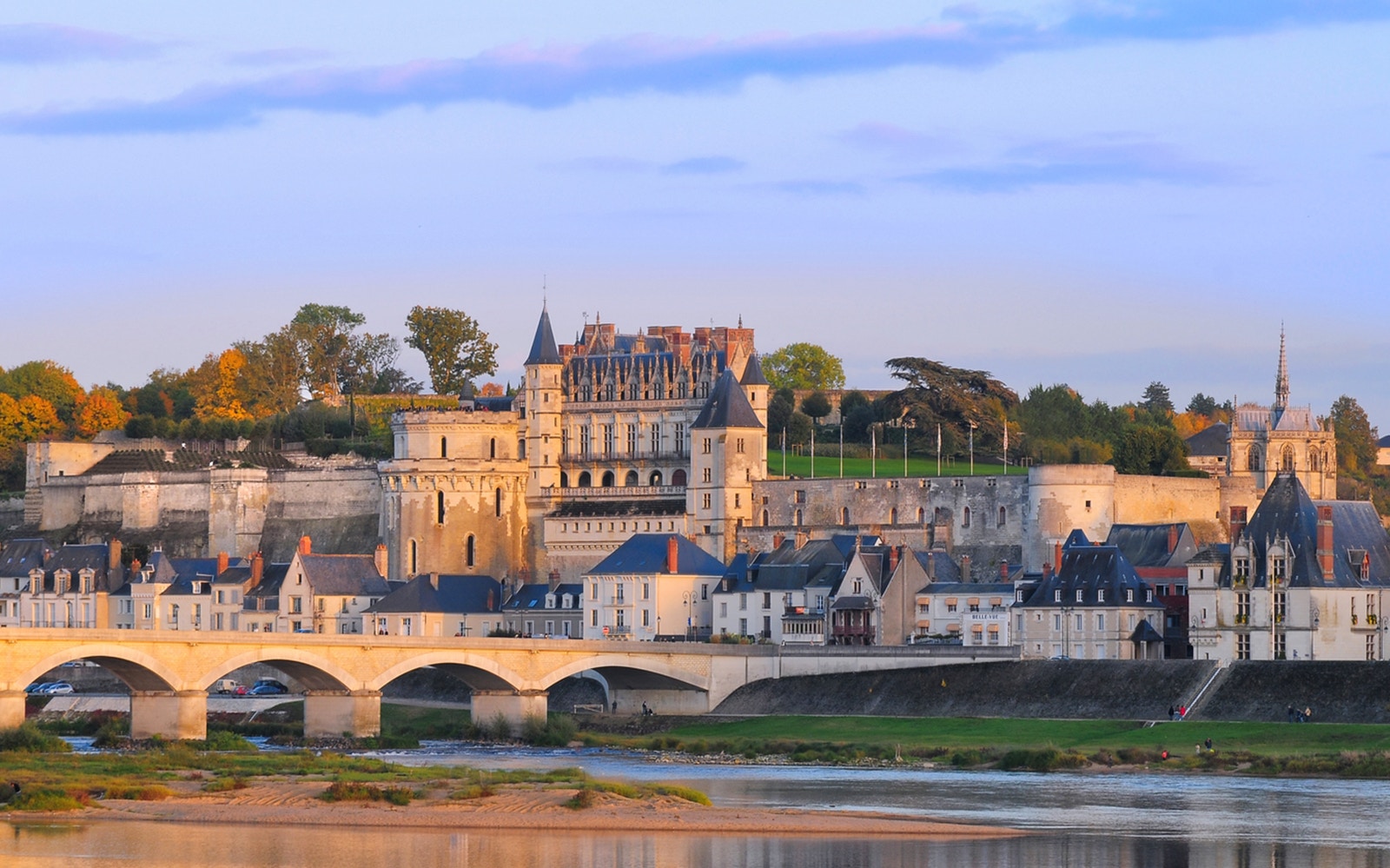
If there’s one château in the Loire Valley where royal power, Renaissance beauty, and Leonardo da Vinci’s legacy meet, it’s Château d’Amboise. Set high above the Loire River, this former royal residence feels both grand and deeply personal.

Walk through a royal Renaissance residence

Château d’Amboise was once a favorite residence of French kings, especially during the 15th and 16th centuries. As you move through its royal rooms and stone terraces, you’ll see how the château shifted from medieval fortress to Renaissance palace under rulers like Charles VIII and Francis I.

Stand where French history unfolded

Amboise was closely tied to the French court, where kings, queens, nobles, and artists gathered during the Renaissance. The château gives you a glimpse into court life, royal ceremonies, and the cultural changes that shaped France during this period.

Visit Leonardo da Vinci’s resting place

One of the château’s most moving stops is the Chapel of Saint-Hubert, where Leonardo da Vinci is buried. He spent his final years nearby at Clos Lucé under the patronage of King Francis I, making Amboise one of the most important places in France connected to the Italian master.

Take in sweeping Loire Valley views

The château sits on a promontory above the Loire, giving you panoramic views over the river, rooftops, gardens, and surrounding countryside. It’s one of those places where the setting is as memorable as the monument itself.

Highlights of Château d’Amboise

Amboise Castle with Loire River and bridge in foreground, France.

Chapel of Saint-Hubert

See the small Gothic chapel on the château grounds where Leonardo da Vinci is buried. Look out for its finely carved stone façade, stained-glass windows, and quiet hilltop setting.

Placeholder Image Headout Blimp

Château d’Amboise’s architectural evolution

Château d’Amboise began as a medieval fortress overlooking the Loire River, built for defense with high walls, towers, and a strategic hilltop position. In the late 15th century, King Charles VIII transformed it into a royal residence, adding Gothic and early Renaissance details inspired by Italian architecture.

Under Francis I, the château became closely linked with the French Renaissance and court life, especially through its connection to Leonardo da Vinci, who lived nearby at Clos Lucé. Though parts of the original complex were later damaged or demolished, the surviving chapel, towers, terraces, apartments, and gardens still show its journey from fortress to Renaissance palace.

History of Château d’Amboise

  • 11th century – The site developed as a fortified stronghold overlooking the Loire River, valued for its defensive position above the town of Amboise.
  • 1434 – Château d’Amboise entered the French royal domain, becoming an important royal property after being seized by King Charles VII.
  • Late 15th century – King Charles VIII transformed the medieval fortress into a royal residence, adding Gothic and early Renaissance features inspired by Italian architecture.
  • 1498 – Charles VIII died at Château d’Amboise after a fatal accident, marking one of the château’s most dramatic royal episodes.
  • Early 16th century – Francis I used Amboise as a major royal residence and helped make it a center of Renaissance art, culture, and court life.
  • 1516–1519 – Leonardo da Vinci lived nearby at Clos Lucé under the patronage of Francis I and was later buried in Amboise.
  • 16th century – The château remained connected to major political and religious events, including the Amboise Conspiracy during the French Wars of Religion.
  • French Revolution – Parts of the château were damaged, confiscated, or dismantled, reducing the size of the original royal complex.
  • 19th century – Restoration efforts began, helping preserve the chapel, towers, royal apartments, terraces, and surviving architectural features.
  • Today – Château d’Amboise stands as a key Loire Valley monument, known for its royal history, Renaissance architecture, Leonardo da Vinci connection, and panoramic river views.

Frequently asked questions about Château d’Amboise

Château d’Amboise is famous for its royal history, Renaissance architecture, panoramic views over the Loire Valley, and its connection to Leonardo da Vinci, who spent his final years in Amboise.