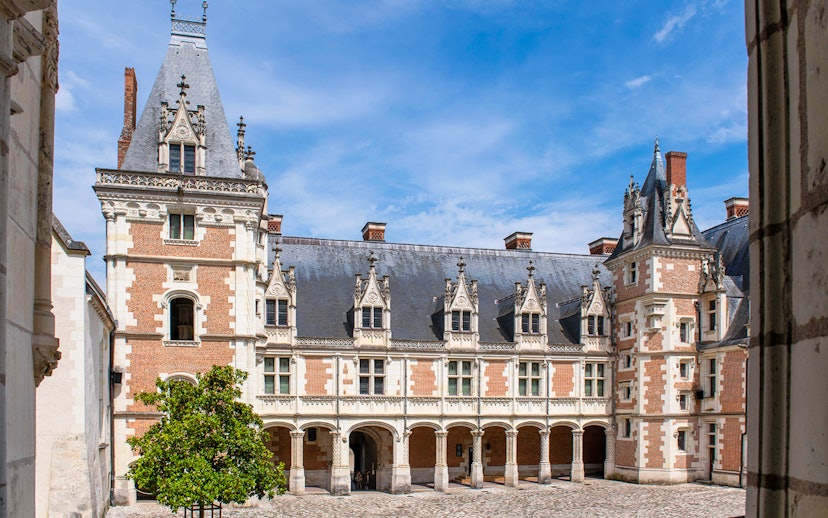
Villandry Castle Visitor Guide
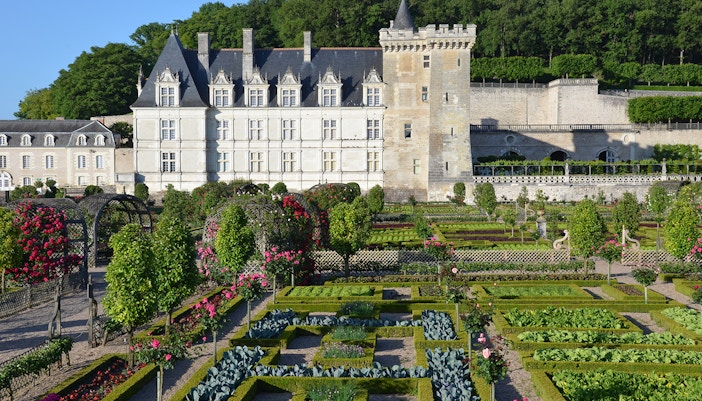
Château de Villandry is a Loire Valley château best known for its formal Renaissance gardens, which matter even more to the visit than the rooms inside. The estate is easy to enjoy, but it is larger and more layered than it first looks, with terraces, gravel paths, interior rooms, and a rooftop keep view that changes how the gardens read. The difference between a rushed visit and a satisfying one is simple: start with a viewpoint, not the flowerbeds. This guide covers timing, tickets, route choices, and what to prioritize.
Quick overview: Château de Villandry at a glance
If you only want the short version, these are the decisions that will shape your visit most.
- When to visit: Villandry is open year-round, with the gardens at their best from April through September. Weekday mornings in May and September are noticeably calmer than weekend afternoons in July and August, because coach groups and peak-season garden traffic build late in the morning.
- Getting in: From €14 for château and gardens entry, or €8.50 for gardens-only access. Book ahead for summer weekends and bloom-heavy months, when timed planning matters more even if you can sometimes still buy on arrival.
- How long to allow: 2–3 hours for most visitors. It stretches toward 3 hours if you do the interiors properly, linger in the ornamental gardens, and climb the keep for the full view.
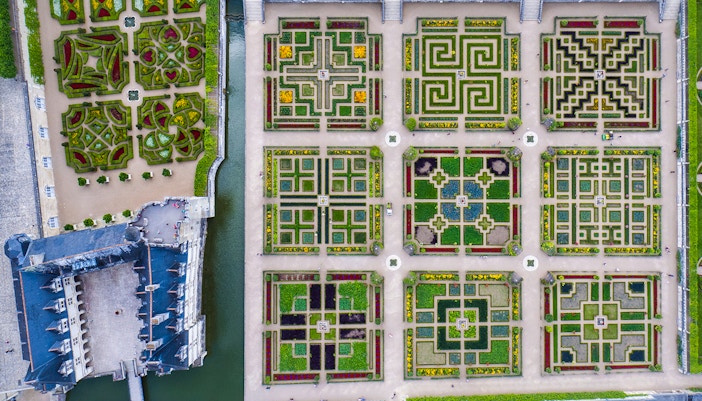
- What most people miss: The upper viewpoints from the keep and château windows make the parterre patterns finally click, and the kitchen garden is far richer than people expect if you slow down for the layout instead of treating it as a shortcut.
- Is a guide worth it? A guide adds the most value if you want the symbolism of the gardens and the restoration story; if you mainly want to wander at your own pace, a self-guided visit is usually enough here.
Jump to what you need
🕒 Where and when to go
🗓️ How much time do you need?
🎟️ Which ticket is right for you?
🌿 What to see

♿ Facilities and accessibility
Where and when to go

How do you get to Château de Villandry?
Château de Villandry sits in the village of Villandry, about 15km west of central Tours, and is easiest to reach by car unless you are already building the visit into a Loire Valley transit day.
Address: 3 Rue Principale, 37510 Villandry, France
- Car: From Tours city center → about 20 min → the simplest option if you are pairing Villandry with Azay-le-Rideau or other Loire stops.
- Bus: Fil Bleu line 32 from Tours → about 45 min → useful if you are staying in Tours and do not want to rent a car.
- Train + taxi: TER to Cinq-Mars-la-Pile → short onward taxi ride → workable, but less straightforward than the direct bus from Tours.
- Parking: On-site parking is available for visitors → helpful in peak season when village parking is tighter.

Getting here from nearby cities
Villandry works especially well as a half-day or full-day stop from Tours, and it is also realistic from Paris if you are already planning a Loire Valley day trip.
From Tours
- Distance: 15km
- Travel time: 20 min by car or about 45 min via Fil Bleu line 32
- Time to budget: Leaves enough time for a relaxed half-day visit, especially if you add lunch or a second château
From Paris
- Distance: About 250km
- Travel time: About 2.5 hr via TGV to Tours, then car, taxi, or bus onward
- Time to budget: Best done as part of a full Loire Valley day rather than as a quick out-and-back stop
From Azay-le-Rideau
- Distance: 12km
- Travel time: About 20 min by car
- Time to budget: Easy to pair on the same day if you keep Villandry for the gardens and viewpoints rather than a long indoor visit
Which entrance should you use?
Villandry is straightforward compared with larger Loire sites: most visitors enter through the main access point and then split their time between the château and gardens. The main mistake is heading straight into the lower parterres before getting an elevated view of the layout.
- Main entrance: Located at the visitor entry and ticket office by the château. Expect the longest waits on summer weekends and late-morning arrivals.
When is Château de Villandry open?
- Monday–Sunday: Open year-round, with longer visiting days in spring and summer
- Winter season: Shorter visiting windows, especially for anyone prioritizing the gardens in daylight
- Last entry: Aim to arrive at least 1 hour before closing if you want time for both interiors and gardens
When is it busiest? Late mornings through mid-afternoon in May–August are the busiest, especially on weekends, when garden terraces and photo points fill first.
When should you actually go? Go on a weekday morning in May or September if you want cleaner views across the parterres, easier photos, and a quieter climb up to the keep.
Which Château de Villandry ticket is best for you
| Ticket type | What's included | Best for | Price range |
|---|---|---|---|
Château and gardens ticket | Château entry + gardens entry | A first visit where you want the full Villandry experience instead of choosing between interiors and grounds | From €14 |
Gardens-only ticket | Gardens entry | A shorter stop where the formal gardens are the priority and the interior rooms matter less to you | From €8.50 |
Youth château and gardens ticket | Château entry + gardens entry for ages 8–18 | A family visit where you want the full site without paying full adult admission for older children | From €8 |
Youth gardens-only ticket | Gardens entry for ages 8–18 | A family stop built mainly around the maze, parterres, and open-air wandering | From €5.50 |
Pass Touraine Châteaux | Multi-site access including Villandry + nearby Loire sites | A château-hopping day where buying separately adds more friction than value |
Which Château de Villandry ticket is best for you
| Ticket type | What's included | Best for | Price range |
|---|---|---|---|
Château and gardens ticket | Château entry + gardens entry | A first visit where you want the full Villandry experience instead of choosing between interiors and grounds | From €14 |
Gardens-only ticket | Gardens entry | A shorter stop where the formal gardens are the priority and the interior rooms matter less to you | From €8.50 |
Youth château and gardens ticket | Château entry + gardens entry for ages 8–18 | A family visit where you want the full site without paying full adult admission for older children | From €8 |
Youth gardens-only ticket | Gardens entry for ages 8–18 | A family stop built mainly around the maze, parterres, and open-air wandering | From €5.50 |
Pass Touraine Châteaux | Multi-site access including Villandry + nearby Loire sites | A château-hopping day where buying separately adds more friction than value |
How do you get around Château de Villandry?
Getting around
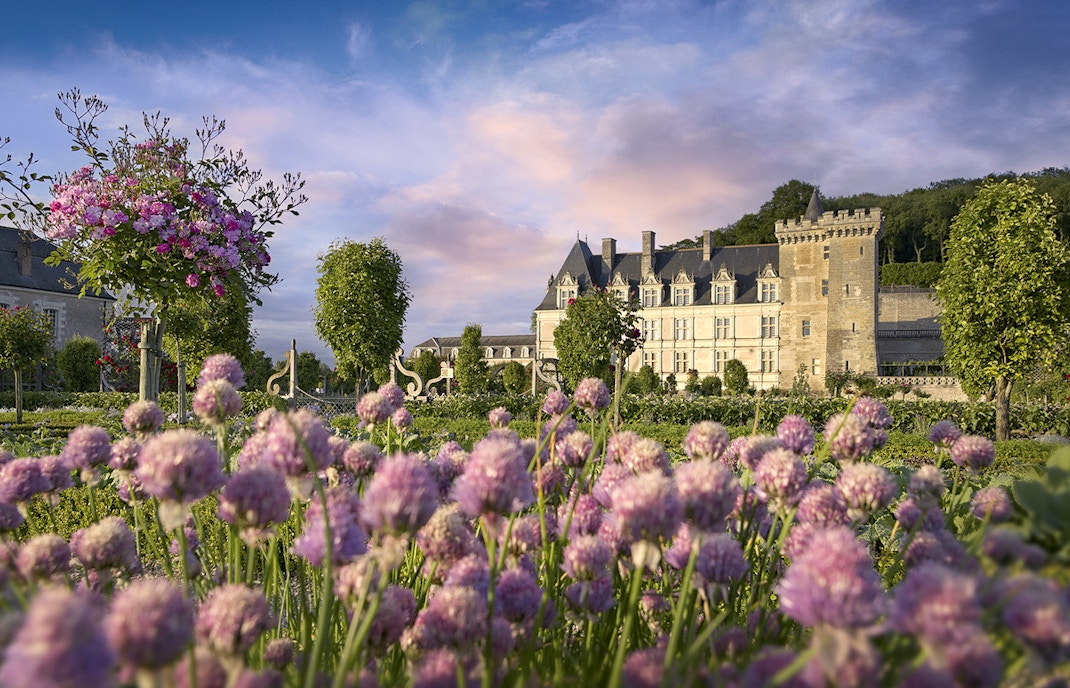
Villandry is best explored on foot, and most visitors can cover the main route in 2–3 hours without feeling rushed. The château sits above the formal terraces, so your first orientation point matters more here than at most castles.
- Château interiors: Historic show rooms, chapel, and furnished spaces → about 30–45 min.
- Upper terraces and viewpoints: Best overview of the parterre geometry and photo angles → about 20–30 min.
- Ornamental garden and Garden of Love: The most photographed formal layouts and symbolic planting → about 25–35 min.
- Kitchen garden and water garden: Productive beds, geometry, and quieter corners → about 25–35 min.
- Keep: Medieval tower with panoramic rooftop view → about 15–20 min.
Suggested route: Start with the keep or upper château viewpoints, then move through the interiors, and only then descend into the ornamental and kitchen gardens; most visitors do the reverse and miss the one view that makes the entire site make sense.

Maps and navigation tools
- Map: On-site map → covers the château rooms and garden sections → pick it up as you enter so you can understand the terraces before you descend.
- Signage: Good enough for a self-guided visit, but the symbolism of the gardens is much easier to follow if you keep the map with you.
- Audio guide / app: Interior commentary is the biggest added value here → most helpful if you want the restoration story, not just a visual walk-through.
💡 Pro tip: Do not enter the lower gardens first. The patterns look decorative from ground level, but they only become legible once you have seen them from above.
What is Château de Villandry worth visiting for?
Garden of Love
Garden type: Ornamental parterre
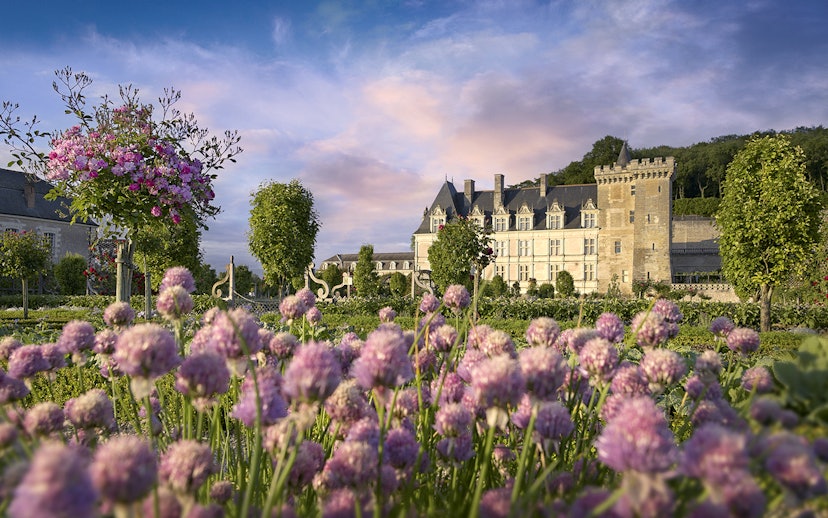
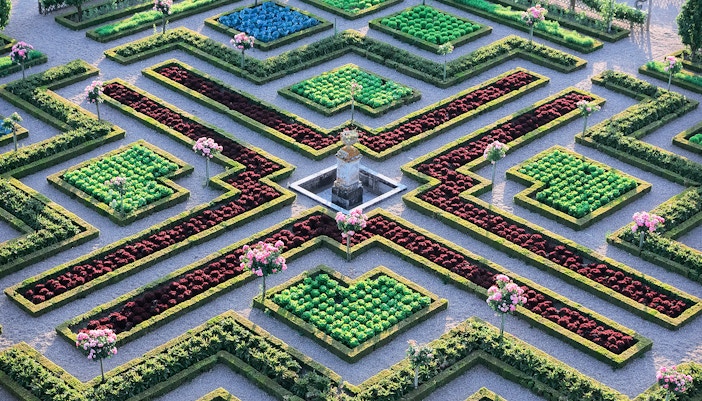
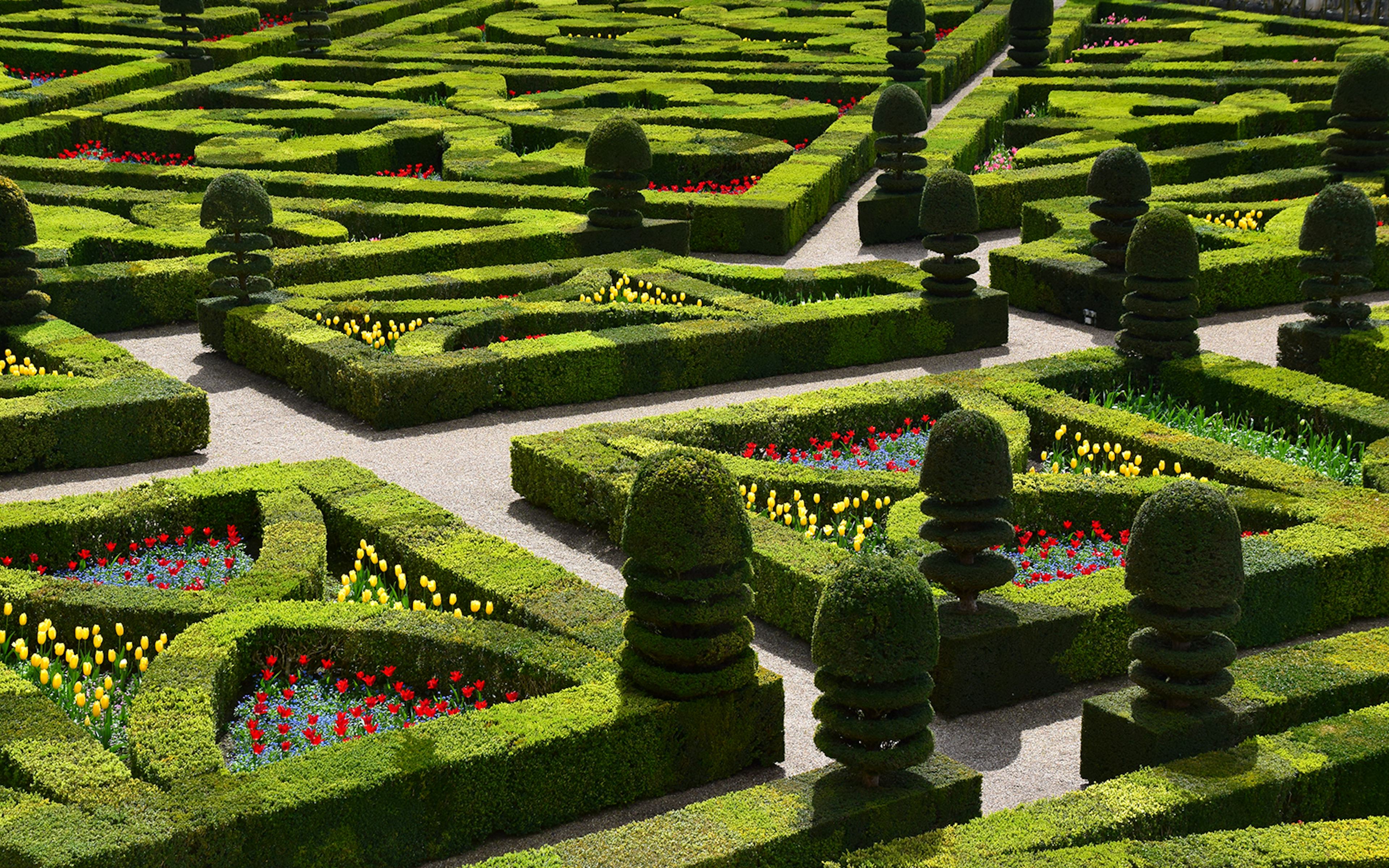
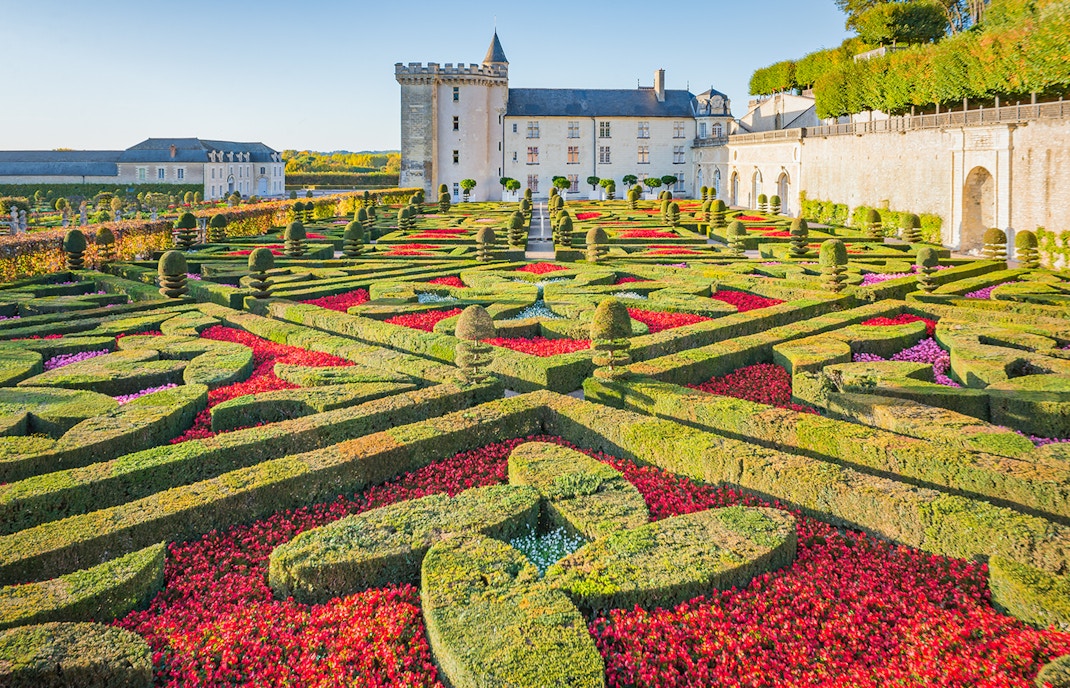
This is Villandry's signature composition, with box hedges and planting beds arranged into symbolic patterns tied to different forms of love. It is beautiful from ground level, but the real payoff comes when you view it from above and the geometry locks into place. Most visitors photograph it too close and miss the full design.
Where to find it: In the ornamental garden terraces below the château, best viewed first from the upper terrace or keep.
Kitchen garden
Garden type: Renaissance-style vegetable parterre
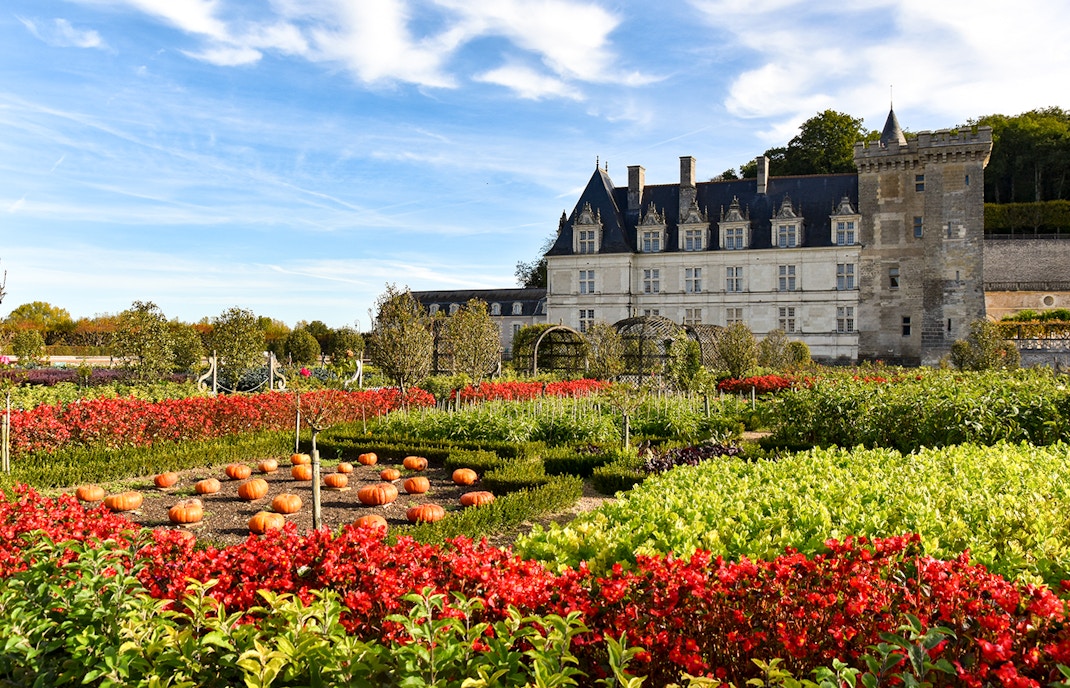
This is one of the most distinctive parts of Villandry because it treats vegetables, herbs, and fruit as formal design rather than kitchen utility. The color blocking and geometry are as deliberate as any flower garden here, and the detail changes constantly through the growing season. Many visitors walk through quickly, even though it is one of the clearest expressions of Villandry's design philosophy.
Where to find it: On the lower terraces, laid out in large geometric plots beyond the main ornamental sections.
Water garden
Garden type: Reflective landscape garden
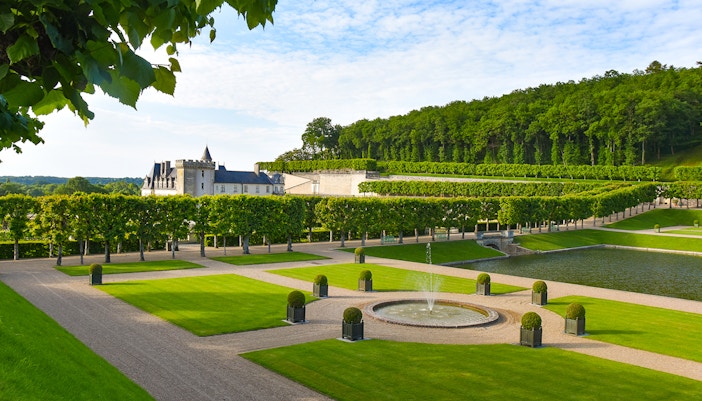
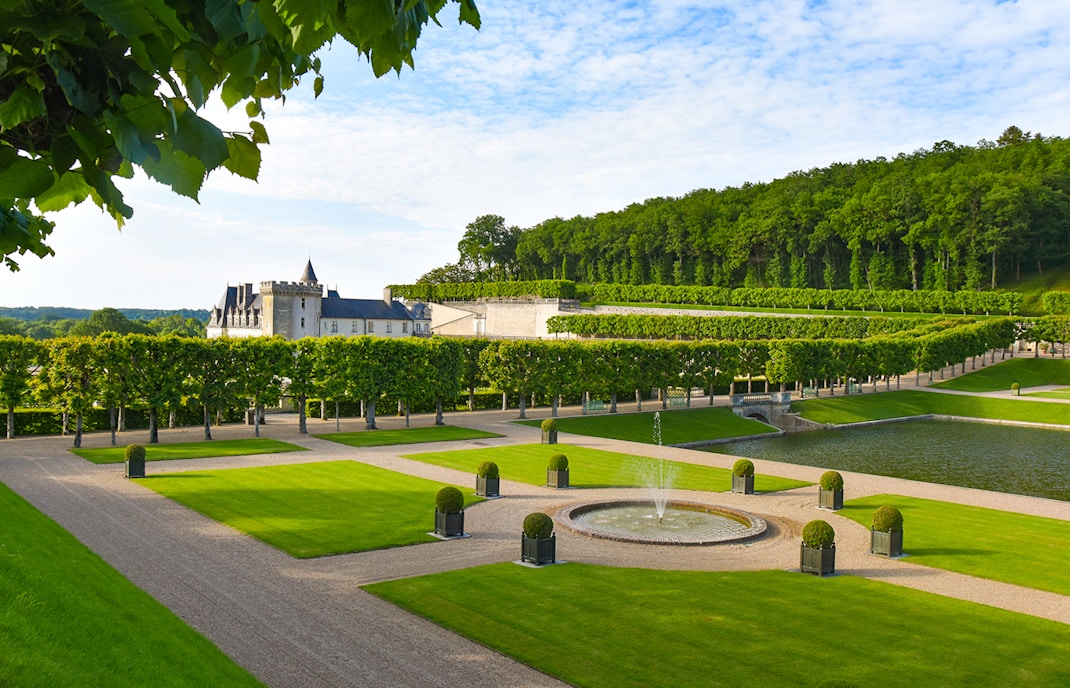
The water garden feels calmer and less theatrical than the patterned parterres, which is exactly why it is worth slowing down for. Its long lines, open sightlines, and reflective surfaces give you a break from the density of the formal designs. People often treat it as a passage space, but it is one of the best places to feel the estate's balance rather than just admire it.
Where to find it: Beyond the central formal terraces, in the quieter garden zone with broader space and water features.
Sun Garden and labyrinth
Garden type: Themed garden and maze
This area is more playful than the ornamental sections and is especially good if you are visiting with children or want a change of pace. The sun motif gives the garden a distinct structure, while the hedge labyrinth adds a family-friendly layer that many Loire châteaux simply do not have. Adults often dismiss the maze as just for kids, but it is one of the site's smartest ways to break the formal rhythm.
Where to find it: In the garden areas set slightly apart from the main ornamental parterres.
The keep rooftop
Era: Medieval remnant of the original fortress
The keep is the oldest surviving part of Villandry, and climbing it gives you the one view that ties the estate's history and garden planning together. From the roof, you can see how the château, terraces, and surrounding valley relate to one another. Many visitors skip it because of the stairs, but it is the most useful viewpoint on the whole site.
Where to find it: Within the château complex, accessed by the old stone staircase up the medieval tower.
Grand Salon and dining room
Room type: Furnished historic interiors
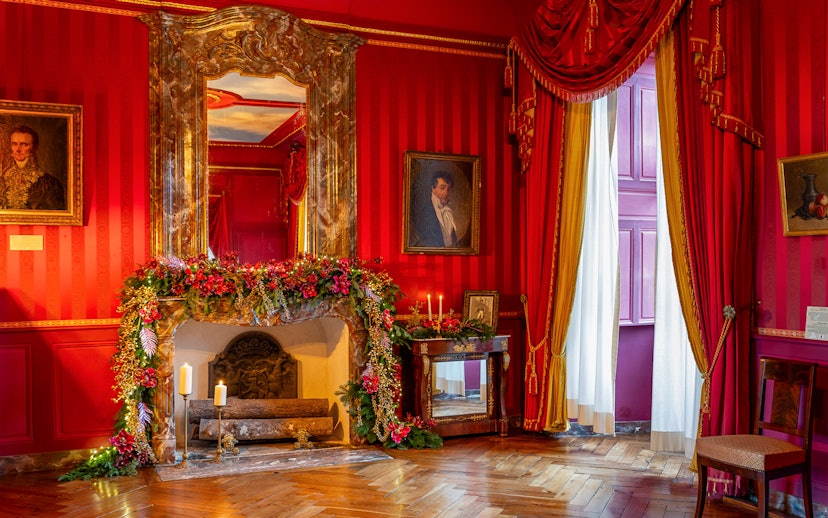
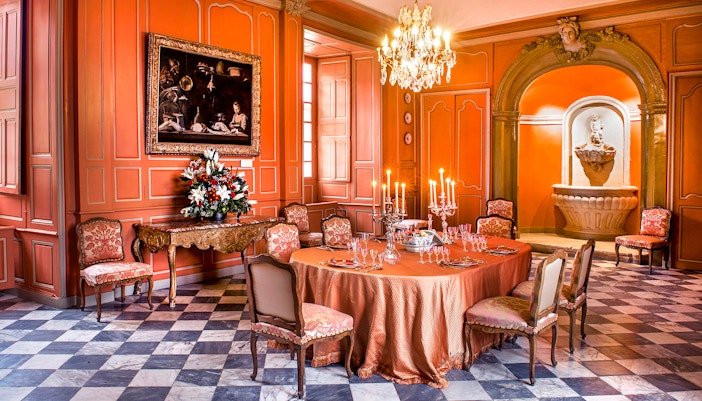
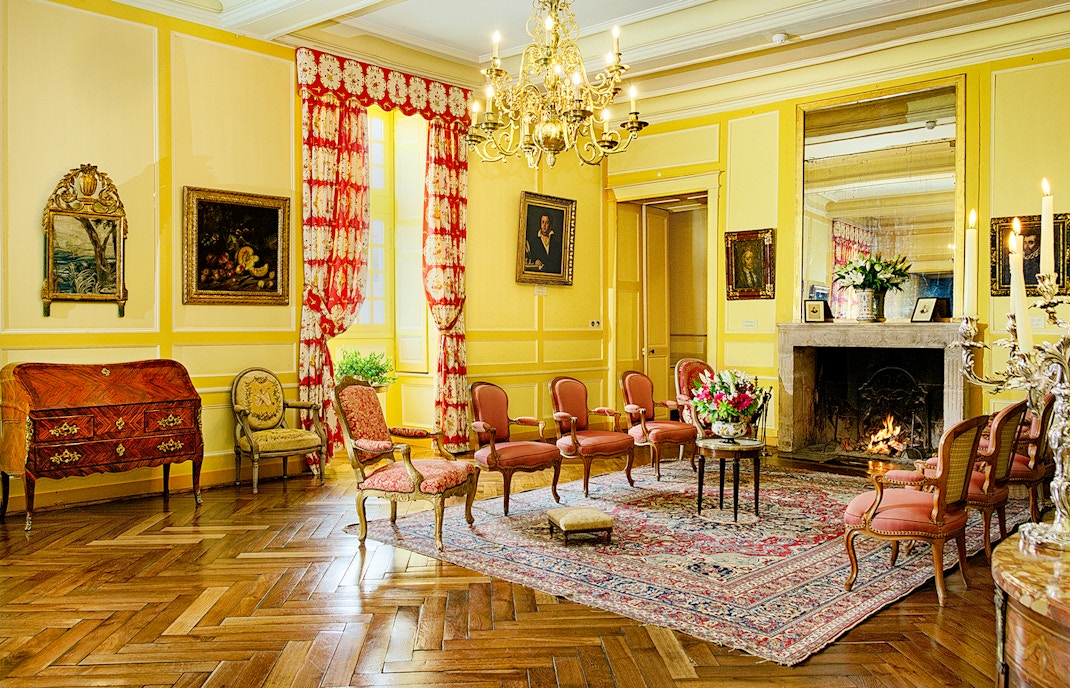
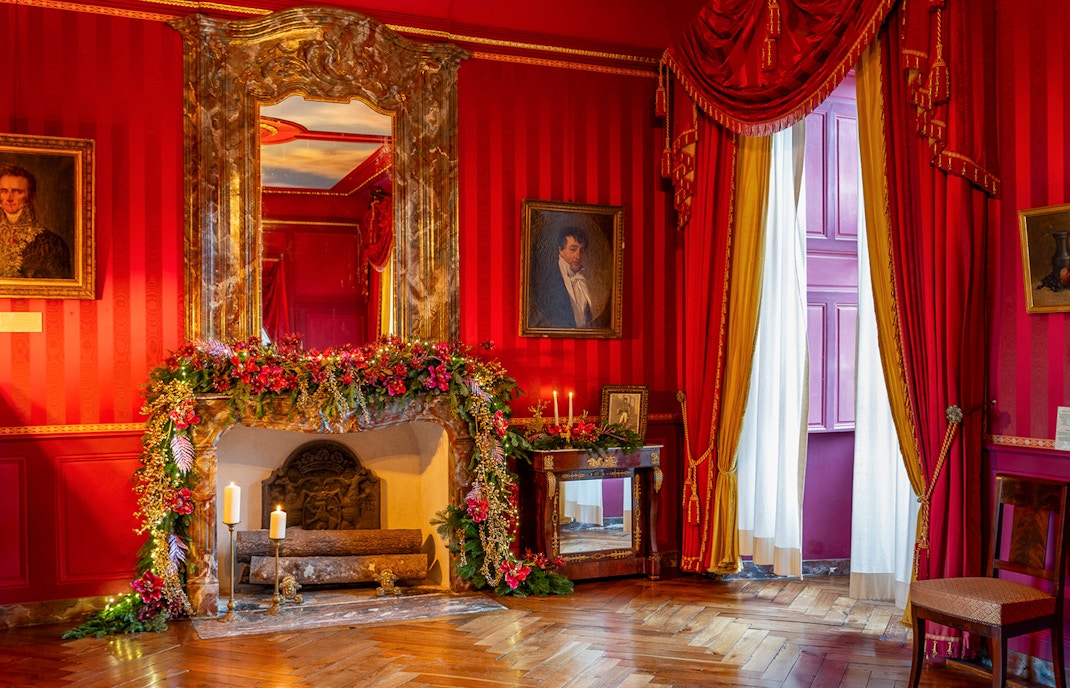
Villandry's rooms are smaller and more intimate than the grand halls at Chambord or Chenonceau, which is part of their appeal. The Grand Salon and dining room show how the estate was restored as a lived-in historic house rather than a monumental shell. Visitors often rush them because the gardens dominate the headlines, but these rooms give the visit its human scale.
Where to find it: Inside the château's main visitor circuit, after the entrance sequence through the furnished rooms.
Facilities and accessibility
- 🎒 Travel light: The visit includes interior rooms, gravel paths, terraces, and a keep staircase, so a small day bag is much easier to manage than bulky luggage.
- 🍽️ Snack kiosk / café: There is an on-site snack stop for a simple break, but it works better as a convenience fallback than as the main reason to stay for a long meal.
- 🛍️ Gift shop / merchandise: The on-site shop is worth a quick stop for garden-themed souvenirs, local products, honey, jams, and small regional gifts.
- 🅿️ Parking: Visitor parking is available on site, which makes Villandry especially easy to pair with other Loire Valley stops by car.
- ♿ Mobility: Access is easier in the gardens than in the keep, but gravel paths, terraces, and changes in level can make the route more tiring than a compact indoor museum.
- 👁️ Visual impairments: Villandry is a highly visual site, and the upper viewpoints are especially useful because they make the garden layouts easier to understand at a glance.
- 🧠 Cognitive and sensory needs: Weekday mornings outside peak summer are the easiest window if you want lower crowd pressure and calmer movement through the main terraces.
- 👨👩👧 Families and strollers: Families do well here, but pushchairs with sturdy wheels cope much better with the gravel garden paths than lightweight city strollers.
Villandry works well with children because the visit is mostly outdoors, the maze gives them something concrete to do, and the changing garden layouts keep the site from feeling like a rooms-only château.
- 🕐 Time: 1.5–2.5 hours is realistic with young children if you prioritize the maze, upper viewpoints, and the most colorful terraces.
- 🏠 Facilities: The open-air layout, lawns, and clear garden sections make it easier to pause and reset here than at a more tightly sequenced palace visit.
- 💡 Engagement: Turn the visit into a pattern hunt by having children spot hearts, geometric beds, and the differences between flower and vegetable sections.
- 🎒 Logistics: Bring sun protection, water, and a stroller that can handle gravel, and aim for the first part of the day before paths get busier.
- 📍 After your visit: Château d’Azay-le-Rideau is a strong nearby follow-up if you want another short, visually rewarding Loire stop.
Rules and restrictions
What you need to know before you go
- Entry requirement: You can choose between château and gardens access or a gardens-only ticket, and children under the age of 8 years enter free.
- Booking method: Advance booking is the safer choice for summer weekends and peak bloom periods, even though some visitors still buy on arrival.
- Bag policy: There is no advantage to bringing a large bag here, because the visit includes interior rooms, gravel walks, and a narrow keep staircase.
Not allowed
- 🚫 Food and drink: Treat the formal garden areas and interior rooms as viewing spaces, and save picnics or full breaks for designated areas off the main route.
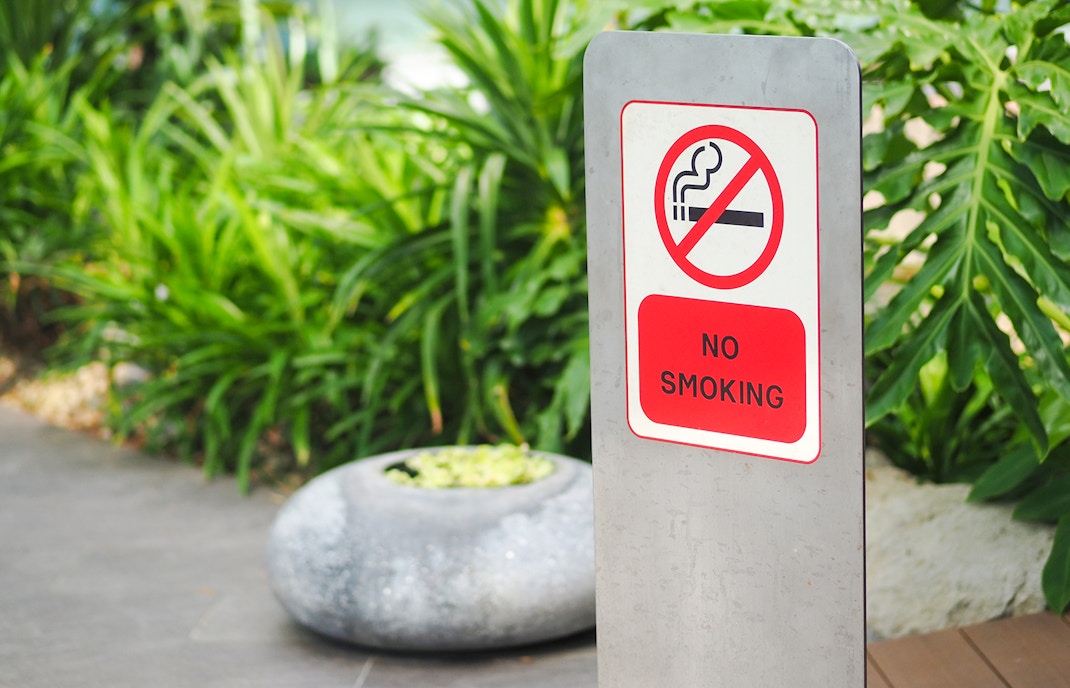
- 🚬 Smoking / vaping: Do not assume you can stop wherever you like in the gardens; step away from busy viewpoints and follow on-site instructions.
- 🖐️ Touching exhibits: Keep off hedges, borders, and historic furnishings, because Villandry's appeal depends on preservation as much as presentation.
Photography
Photography is one of the main reasons people come, especially in the gardens and from the keep. Outdoor photos are the clear priority here, while interior rules are stricter and can vary more by room or crowding. Flash is a poor fit in the château interiors, and tripods or bulky photo setups are best avoided unless you have explicit permission, because the rooms are relatively compact and circulation is tight.
Good to know
- Best viewpoint: The most revealing photos are not at flower level but from the keep and upper terraces, where the designs finally read as full patterns.
- Visit balance: The interiors are elegant but not vast, so do not budget Villandry like Chambord; the gardens are where most of your time should go.
Practical tips
- Booking and arrival: Book at least a few weeks ahead for July and August weekends, because Villandry is one of the Loire's most visited sites and the most popular arrival window is late morning.
- Pacing: Start with the keep or an upper terrace, then do the rooms, then the gardens; if you begin in the lower parterres, you will understand less and backtrack more.
- Crowd management: Weekday mornings in May and September are the sweet spot here, because the gardens look full and alive but the coach-group pressure is lighter than peak summer.
- What to bring or leave behind: Bring shoes that can handle gravel and terrace walking, and skip heavy bags if you plan to climb the spiral keep staircase.
- Food and drink: Eat before you enter or plan a proper meal after the visit; the on-site snack stop is handy, but it is better for a quick reset than for a full lunch break.
- Photography: If photos matter to you, save a second look at the Garden of Love for after you have seen it from above; otherwise, many of your first shots will feel flatter than the real experience.
- Families: The maze is the easiest built-in reward for children, so use it after the first viewpoint rather than as the opening stop.
What else is worth visiting nearby?
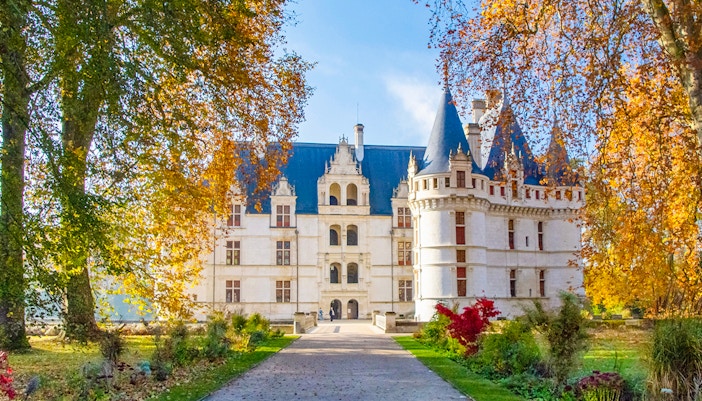
Commonly paired: Château d’Azay-le-Rideau
Distance: 12km — about 20 min by car
Why people combine them: It is one of the easiest same-day pairings in this part of the Loire, giving you Villandry's garden-heavy visit and Azay-le-Rideau's compact waterside château without doubling up on the same experience.
Book / Learn more

Commonly paired: Tours old town
Distance: 15km — about 20 min by car
Why people combine them: Tours works naturally before or after Villandry for transport, meals, and a more urban counterpoint to the château's village setting and garden pace.

Also nearby
Vouvray wine country
Distance: About 30km — around 35–40 min by car
Worth knowing: This is the better add-on if you want to shift from château sightseeing to wine tasting without overloading the day with another interior-heavy monument.
Chinon
Distance: About 30km — around 35 min by car
Worth knowing: Chinon makes sense if you want a stronger medieval town-and-fortress contrast after Villandry's Renaissance gardens and refined domestic interiors.
Eat, shop and stay near Château de Villandry
- On-site: The snack kiosk is useful for a short break, light refreshments, and keeping the visit moving, but it feels more like a practical stop than a destination meal.
- Villandry village cafés: Short walk, Rue Principale; simple pre- or post-visit option if you want to stay close to the château and avoid driving elsewhere between stops.
- Azay-le-Rideau center: About 20 min by car, town center; better if you want a sit-down meal after the gardens and are pairing two Loire sites in one day.
- Tours center restaurants: About 20 min by car, central Tours; the strongest option for variety and value if Villandry is just one stop on a broader day.
- 💡 Pro tip: If you are visiting in summer, eat before the late-morning rush or after the gardens rather than in the middle, when the best light and the busiest terraces overlap.
- On-site gift shop: Garden-themed souvenirs, local honey, jams, and small regional products, right by the château visit route.
- Tours markets and specialty stores: Better for a broader Loire food-and-wine shop if you want more than château souvenirs after your visit.
Staying right by Villandry suits you best if you want a quiet Loire Valley base, easy château access by car, and a slower rural rhythm. It is less convenient if you want restaurant choice, nightlife, or rail-based sightseeing without driving. For most travelers, Villandry works better as a day stop than as the main overnight base.
- Price point: The immediate area leans quieter and smaller-scale, while Tours gives you more choice across mid-range and higher-end stays.
- Best for: Travelers doing a château road trip who want minimal morning logistics and easy access to western Loire sites.
- Consider instead: Tours for restaurant choice and easier transport connections, or Amboise if you want a more classic Loire base with multiple major sights nearby.
Frequently asked questions about visiting Château de Villandry
Most visits take 2–3 hours. That gives you enough time for the main furnished rooms, the major garden sections, and the climb to the keep. If you love photography or formal gardens, you will likely stay closer to 3 hours than 2.
You do not always need to, but it is the safer move in summer and on weekends. Villandry is one of the Loire Valley's most visited châteaux, and the most popular late-morning arrival window gets noticeably busier during peak bloom season.
For most visits, no, it is not essential in the way it is at the biggest European landmarks. The bigger time saver here is arriving early and starting with the upper viewpoints before the main garden paths fill.
Arrive about 15–20 minutes early. That gives you time to get oriented, pick up a map, and start with the keep or upper terrace before the site feels busier.
Yes, a small backpack or day bag is the most practical choice. Large bags quickly become annoying here because the visit includes interior rooms, gravel garden paths, and the keep staircase.
Yes, photography is a major part of the visit, especially in the gardens and from the keep. Interior rules can be tighter than outdoors, so avoid flash and assume bulky tripods or photo setups will not work well in the château rooms.
Yes, Villandry works well for groups, especially garden clubs, tour groups, and château itineraries based from Tours. The site is easy to pair with other Loire stops, but groups should aim for an early start if they want quieter photos.
Yes, it is one of the more family-friendly château visits in the Loire. The maze, open-air layout, and strong visual variety make it easier for children than a long, room-heavy palace visit.
It is only partially easy for visitors with mobility needs. The gardens are more manageable than the keep, but gravel paths, terrace levels, and stairs mean the full site can still be tiring or restrictive.
Yes, there is an on-site snack option, and you will find fuller meal choices in Villandry village, Azay-le-Rideau, or Tours. If food matters to your day plan, it is better to treat the château stop as a visit between meals rather than a lunch destination.
The full ticket includes both the château interiors and the gardens, while the gardens-only ticket skips the rooms. If this is your first visit, the full ticket usually makes more sense because the interiors and viewpoints add useful context to the gardens.
May through September gives you the fullest garden experience, with the richest color and structure across the terraces. May and September are the smartest balance if you want the gardens looking strong without the heaviest July and August crowd levels.