Plan Your Visit to Château d’Angers
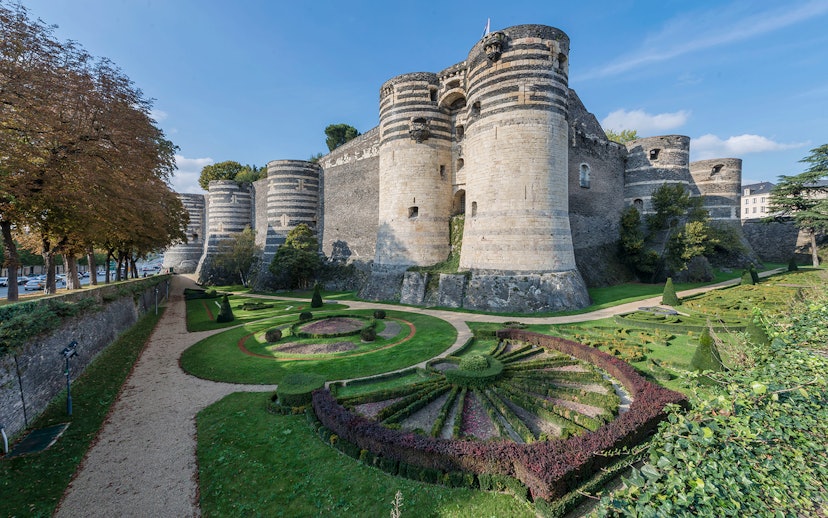
Château d’Angers is a vast medieval fortress best known for its immense Apocalypse Tapestry and black-and-white striped towers. The visit feels calmer than many Loire Valley castles because the site is spread across ramparts, gardens, and indoor galleries, but you’ll still do more walking and stair-climbing than the compact layout first suggests. The biggest difference between a rushed visit and a rewarding one is pacing the wall walk and the tapestry gallery separately. This guide covers timing, tickets, entrances, and the route that works best.
Quick overview: Château d’Angers at a glance
If you want the short version before you book, these are the details that will shape your visit most.
- When to visit: Open daily, usually from 10am, with seasonal closing times. The first hour after opening is noticeably calmer than summer afternoons, because school groups and regional day-trippers tend to arrive later and the tapestry gallery feels much quieter early on.
- Getting in: Standard entry starts from €11, rising to €14 in peak season, and Headout’s Angers Castle & Gardens Tickets cover that core admission online. You can often buy on the day, but pre-booking makes more sense on summer weekends, holiday periods, and free-entry Sundays from November to March.
- How long to allow: Allow 1.5–2 hours for most visits. It stretches closer to 2.5 hours if you walk the full ramparts, linger in the gardens, and read the tapestry interpretation properly.
- What most people miss: The moat gardens and the Tour du Moulin are easy to rush past, even though they give you the best contrast between fortress architecture and the castle’s quieter side.
- Is a guide worth it? A guide helps most if you want the Apocalypse Tapestry to make sense rather than just look impressive, but a self-guided visit with the on-site €3 Audioguide is usually enough for the rest of the castle.
🎟️ Tickets for Château d’Angers can get busier on summer weekends and holiday dates. Lock in your visit before the time you want is gone.
See ticket options.
Jump to what you need
🕒 Where and when to go
🗺️ Getting around
🏰 What to see
♿ Facilities and accessibility
Where and when to go
How do you get to Château d’Angers?
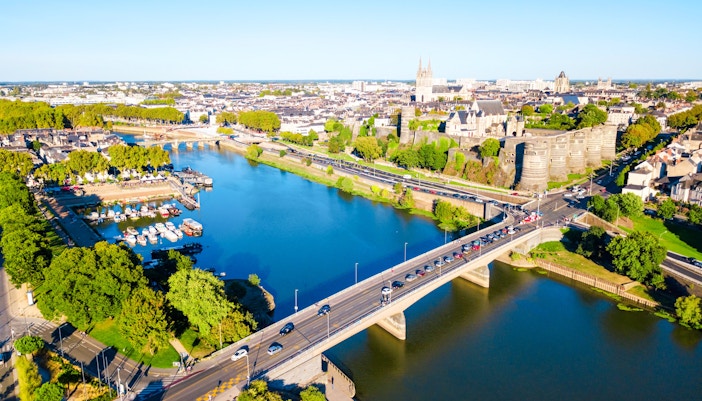
Château d’Angers sits on the edge of Angers’ old town above the Maine River, around a 10–15 minute walk from Angers Saint-Laud station.
Address: 2 Promenade du Bout du Monde, 49100 Angers, France
- Train: Angers Saint-Laud station → 10–15 min walk → easiest option if you’re arriving by TGV from Paris or Nantes.
- Tram: Balzac stop (Line A) → 5 min walk → useful if you’re staying elsewhere in central Angers.
- Taxi / rideshare: Drop-off near Promenade du Bout du Monde → 2–3 min walk → best if you want to avoid the uphill walk from the station.
- Car: Central Angers parking garages → 5–10 min walk → there’s no on-site castle parking, so don’t expect to pull up at the gate.
Which entrance should you use?
There’s one main public entrance, but the small queue split between pre-booked and walk-up visitors is what usually catches people out.
- Pre-booked tickets: For online tickets. Expect 0–10 min wait on most days, and slightly longer on summer weekends.
- On-the-day tickets: For walk-up visitors. Expect 10–20 min wait on busy afternoons and free-entry Sundays.
When is Château d’Angers open?
- May–August: 10am–6:30pm
- September–April: 10am–5:30pm
- January 1, May 1, and December 25: Closed
- Last entry: 45 min before closing
When is it busiest? Summer afternoons, long weekends, and the first Sunday of the month from November to March feel busiest, especially around the tapestry gallery and the main gate.
When should you actually go? Aim for the first hour after opening on a Tuesday, Wednesday, or Thursday if you want quieter ramparts, better photo light, and more space in the tapestry hall.
Which Château d’Angers ticket is best for you
| Ticket type | What's included | Best for | Price range |
|---|---|---|---|
Angers Castle & Gardens Tickets | Entry to Château d’Angers | A straightforward self-guided visit where you want confirmed admission online and the flexibility to explore the fortress, gardens, and tapestry at your own pace | From €11 |
How do you get around Château d’Angers?
Château d’Angers is best explored on foot, and most visitors can cover the main route in 1.5–2 hours or stretch it to 2.5 hours with the full rampart walk. The main focal point — the Apocalypse Tapestry gallery — sits inside the fortress complex rather than right at the gate, so it helps to decide early whether you want views first or the indoor highlight first.
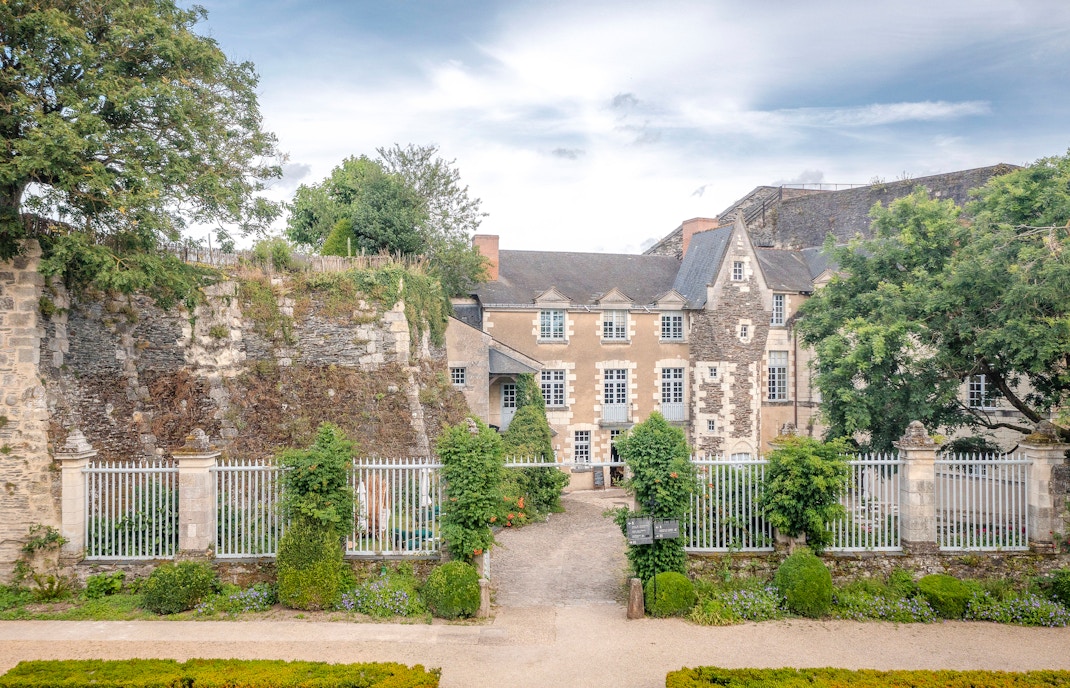
Getting around the fortress
- Main courtyard and gatehouse: Entry zone, first orientation point, and access to the residence buildings → budget 10–15 min.
- Ramparts and towers: Best views over Angers and the Maine River, with stair sections and open-air walking → budget 25–40 min.
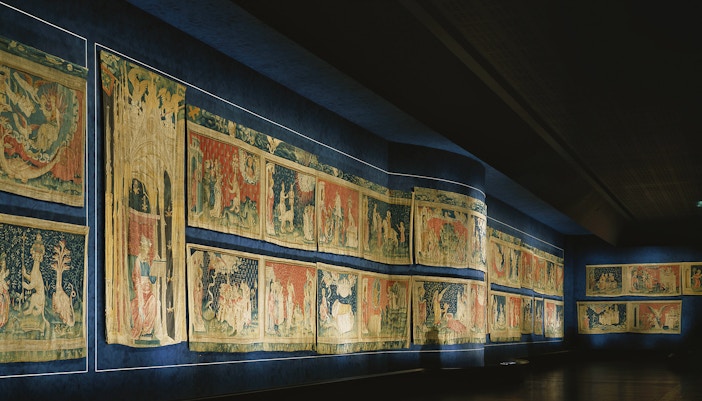
- Apocalypse Tapestry gallery: The castle’s standout highlight, shown in a darkened conservation space → budget 25–35 min.
- Royal residence and chapel: Historic rooms, smaller displays, and quieter interiors → budget 20–30 min.
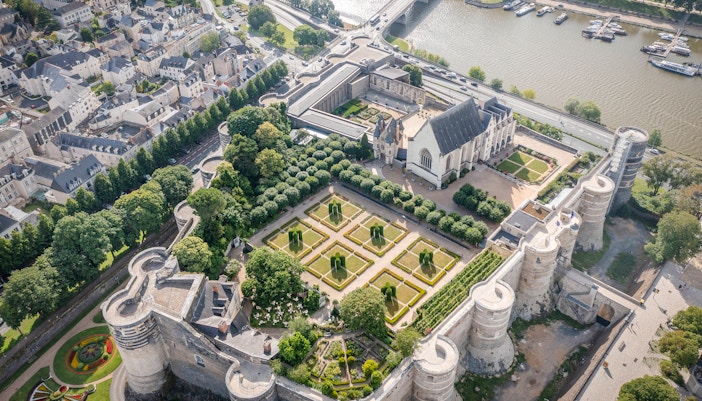
- Gardens and dry moat: Herb beds, geometric planting, and the softest part of the visit → budget 15–20 min.
Suggested route: Start with the ramparts while your energy is highest and the light is best, then move indoors to the tapestry gallery before finishing with the residence rooms and gardens; most visitors do the tapestry first, then rush the quieter spaces on the way out.
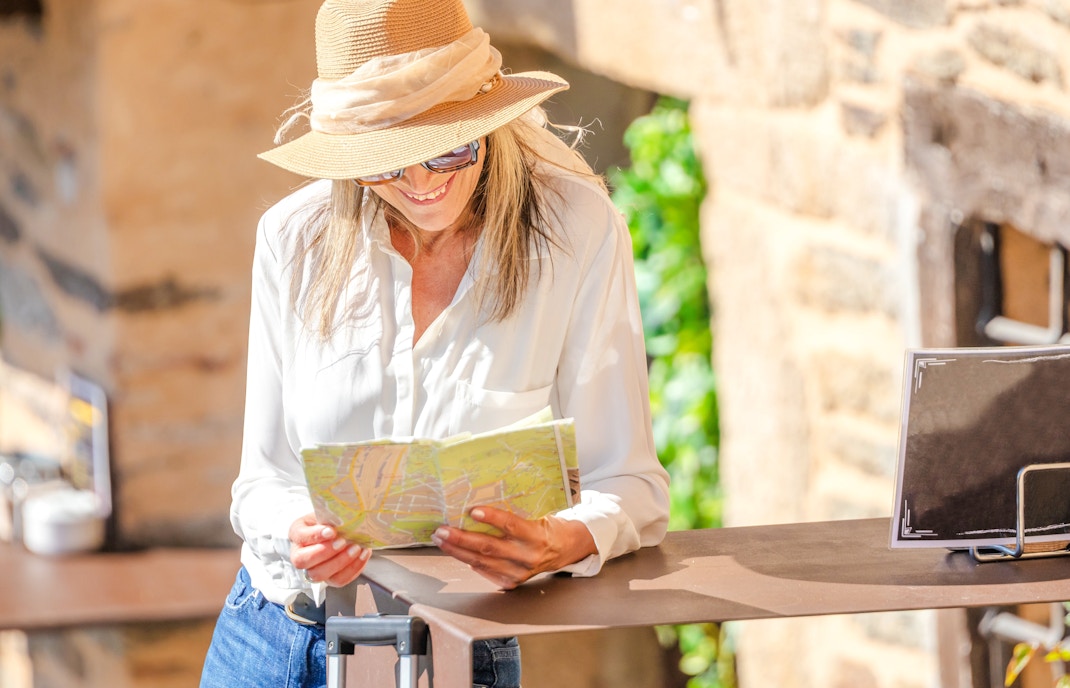
Maps and navigation tools
- Map: On-site leaflet and castle orientation panels → covers the main buildings, walls, and gallery route → pick it up at the entrance.
- Signage: Good enough for a basic self-guided visit, but the route between outdoor walls, interiors, and smaller rooms is clearer with a paper map in hand.
- Audio guide / app: The on-site Audioguide is available in multiple languages for €3 → it adds the most value in the tapestry gallery, where labels alone feel brief.
💡 Pro tip: Do the wall walk before the tapestry gallery if the weather is clear — once you’ve slowed down in the dim gallery, most people don’t go back out to do the full circuit properly.
What is Château d’Angers worth visiting for?
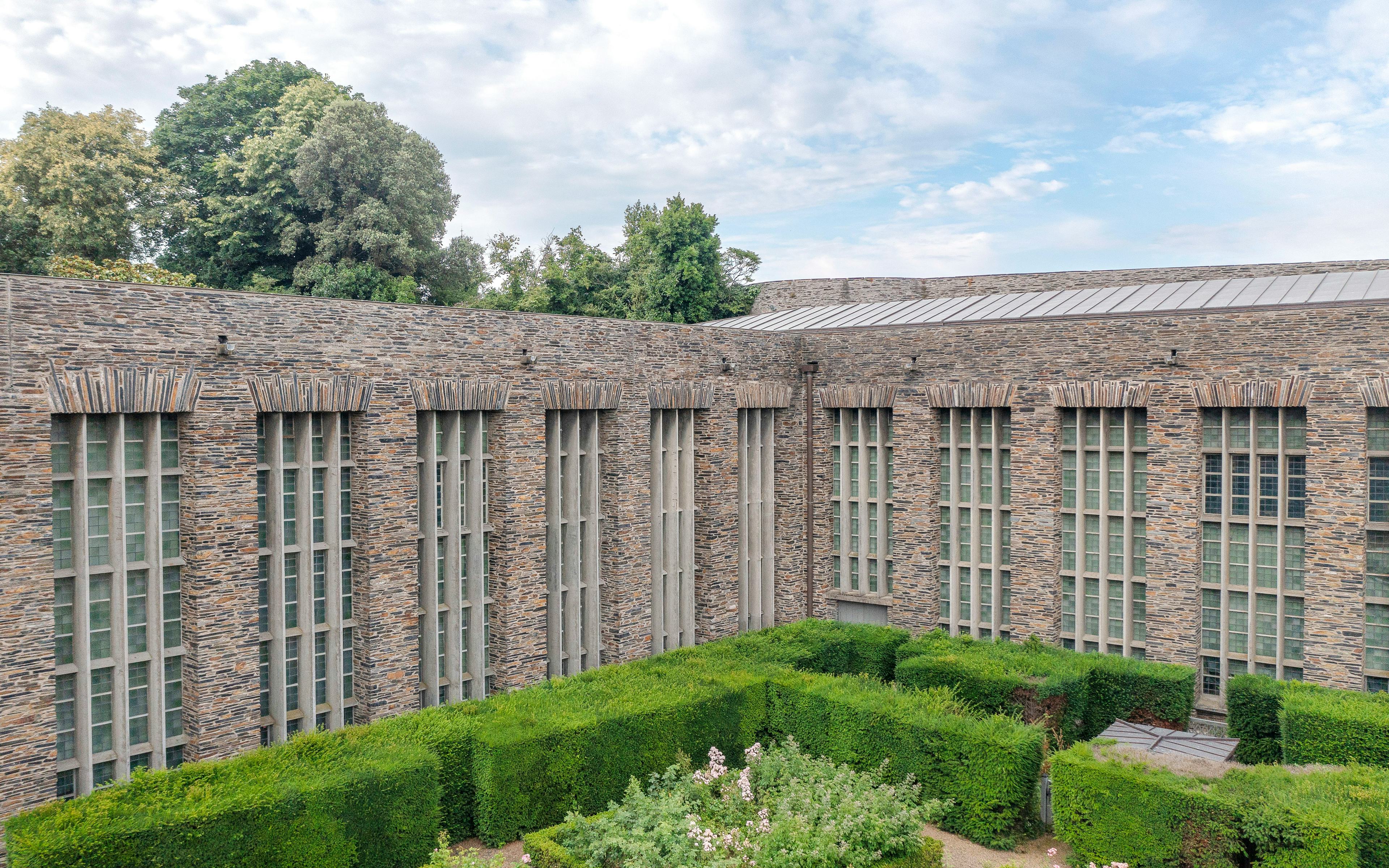
Apocalypse Tapestry
Era: 1370s
This is the reason many people come, and it lives up to that status. At over 100 meters long, it’s the largest surviving medieval tapestry cycle in the world, and seeing it panel by panel makes the castle feel less like a fortress stop and more like a major art visit. What most visitors miss is how much detail sits low in the weave — animals, weapons, and tiny narrative scenes are easy to lose if you only stand back for the full sweep.
Where to find it: In the dedicated darkened gallery inside the castle complex, signed from the main visitor route.
Fortress ramparts
Feature type: Medieval defensive walk
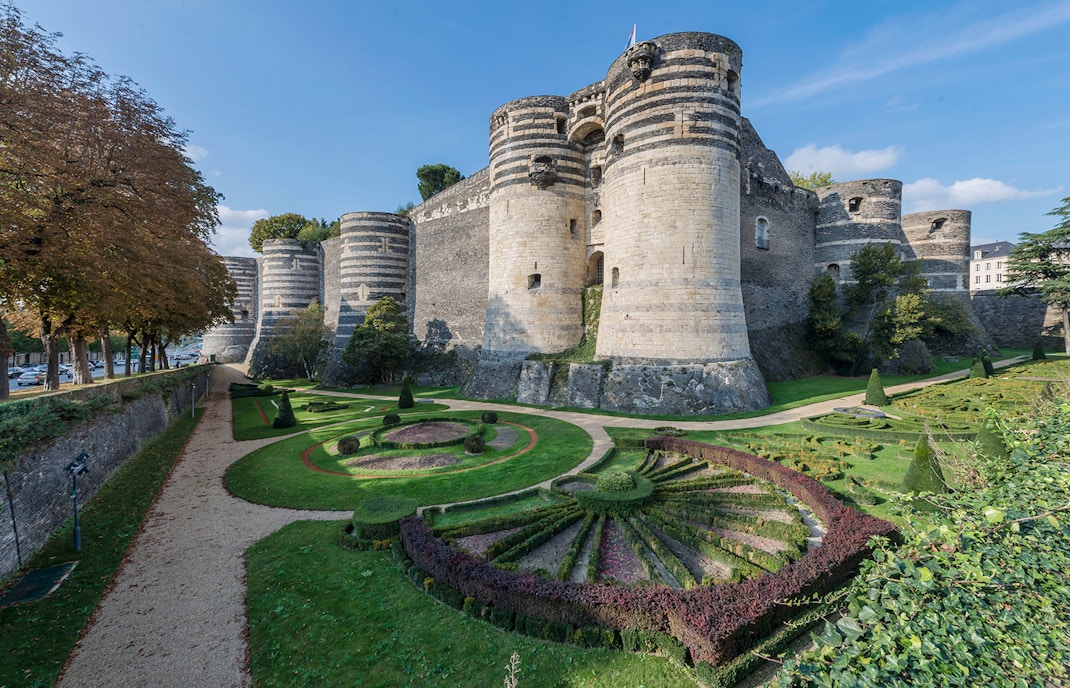
The ramparts are the castle’s second essential experience, not just a nice add-on after the tapestry. They give you the scale of the fortress in a way the courtyard never can, with long views across Angers, the river, and the castle gardens below. What people often rush past is the visual contrast in the towers themselves — the alternating dark slate and pale limestone bands are one of the fortress’s most distinctive details.
Where to find it: Access points are clearly marked from the main courtyard and upper circulation route.
Tour du Moulin
Feature type: Viewpoint tower
This is the tower to slow down for if you want the best elevated view over the city. It’s especially worth the climb because it helps you understand how dominant the château once was in Angers’ defensive layout. The detail many visitors miss is that this is the only tower that kept its original full height, which makes it different from the other towers around the circuit.
Where to find it: Off the rampart walk, reached by the tower staircase on the wall circuit.
Gatehouse and drawbridge
Era: 13th-century entrance defenses
The gatehouse does more than get you into the site — it sets up the castle’s military character immediately. The drawbridge, flanking towers, and passageway give you one of the most tangible ‘fortress’ moments in the whole visit, especially if you pause instead of walking straight through. Most visitors miss the surviving defensive details overhead, including the openings where invaders could once be attacked from above.
Where to find it: At the main entrance on Promenade du Bout du Monde.
Royal residence
Feature type: Ducal living quarters
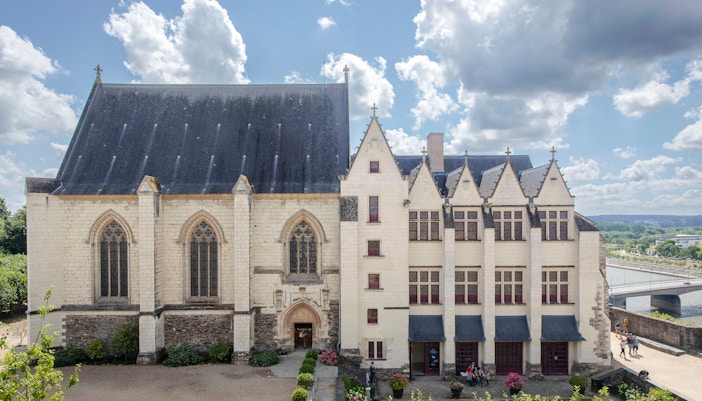
The royal residence changes the tone of the visit from military to domestic, which is why it’s worth doing even if you came mainly for the tapestry. The halls, chapel spaces, and display rooms show how the fortress also functioned as a seat of power and court life. What people often skip is the value of the smaller rooms — they’re where the castle starts to feel lived in rather than monumental.
Where to find it: Beyond the main courtyard, along the signed interior route from the tapestry section.
Gardens in the dry moat
Feature type: Historic planted landscape
The gardens are the quietest part of the castle and the part most likely to be cut when people run short on time. They soften the whole experience, with medicinal plants, geometric beds, and views back up to the walls that make the fortress look even more imposing. The overlooked detail is how well the planting explains the castle’s later life — this was not just a war machine, but also a cultivated residence.
Where to find it: In the landscaped moat and inner garden areas below the main wall line.
Facilities and accessibility
- 🎒 Cloakroom / lockers: Large luggage isn’t allowed inside, and there are no on-site lockers, so bigger bags usually need to be stored at the nearby tourist office.
- 🚻 Restrooms: Restrooms are available near the ticket office area, and there is an accessible toilet there as well.
- 🍽️ Café: There is a small on-site café for a light break, but it works better for drinks and a pause than for a full meal.
- 🛍️ Gift shop / merchandise: The castle shop near the visitor route is the best place for tapestry-themed books, postcards, and small Loire Valley souvenirs.
- 🪑 Seating / rest areas: Benches and quieter resting spots are easiest to find in the courtyard and garden areas rather than on the ramparts.
- 🩺 First aid / medical station: Staff can assist with minor issues, but this is still a historic site with stairs and uneven surfaces, so plan accordingly.
- ♿ Mobility: The lower grounds, major interior spaces, and some core visitor areas are wheelchair accessible, but the ramparts, tower climbs, and some medieval stair routes are not.
- 👁️ Visual impairments: The site offers a braille display, and staff at entry can help point you toward the most accessible interpretation tools on arrival.
- 🧠 Cognitive and sensory needs: The calmest windows are right after opening, while the tapestry gallery is dim and can feel crowded later in the day.
- 👨👩👧 Families and strollers: Strollers work well across most ground-level routes, but upper wall walks and tower sections will mean leaving the stroller below.
Château d’Angers works well for children who like castles, towers, and open-air exploring, especially because the visit naturally alternates between short indoor and outdoor sections.
- 🕐 Time: Around 1.5 hours is realistic with young children, and the best order is gatehouse, ramparts, then the tapestry before attention starts to fade.
- 🏠 Facilities: Baby-changing and accessible restroom facilities near the entrance make the start and end of the visit easier than the middle.
- 💡 Engagement: Frame the wall walk as a lookout mission and the tapestry as a picture story — that keeps children focused longer than treating it like a standard museum room.
- 🎒 Logistics: Bring a small day bag, not a large backpack, and aim for the first hour after opening so you can do the stairs and open walls before the site feels busier.
- 📍 After your visit: Angers Cathedral is close enough for a short second stop if you still have energy and want one more easy historic sight.
Rules and restrictions
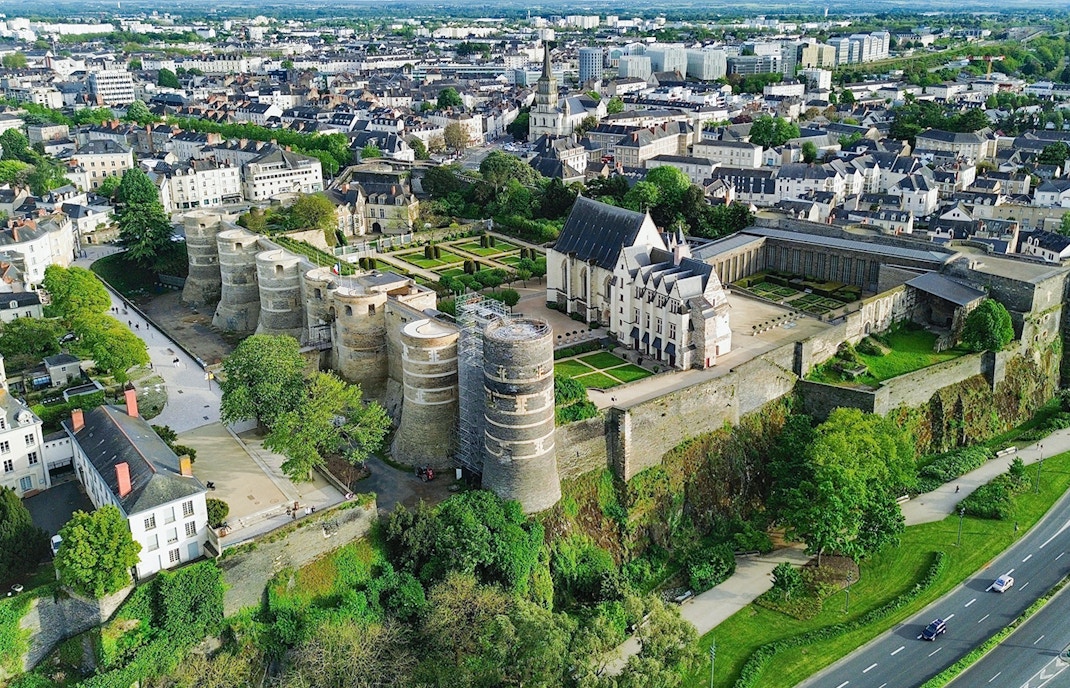
What you need to know before you go
- Entry requirement: A standard admission ticket covers the main castle visit, and online mobile tickets are accepted at the entrance.
- Bag policy: Large luggage is not allowed inside, so arrive with a small bag or plan to leave bulky items at the nearby tourist office.
- Re-entry policy: Tickets are generally valid for one entry only, so once you leave the fortress you should assume the visit is finished for the day.
Not allowed
- 🚬 Smoking / vaping: Smoking and vaping are not allowed in the historic interiors, and any outdoor restrictions on the grounds should be followed as signed.
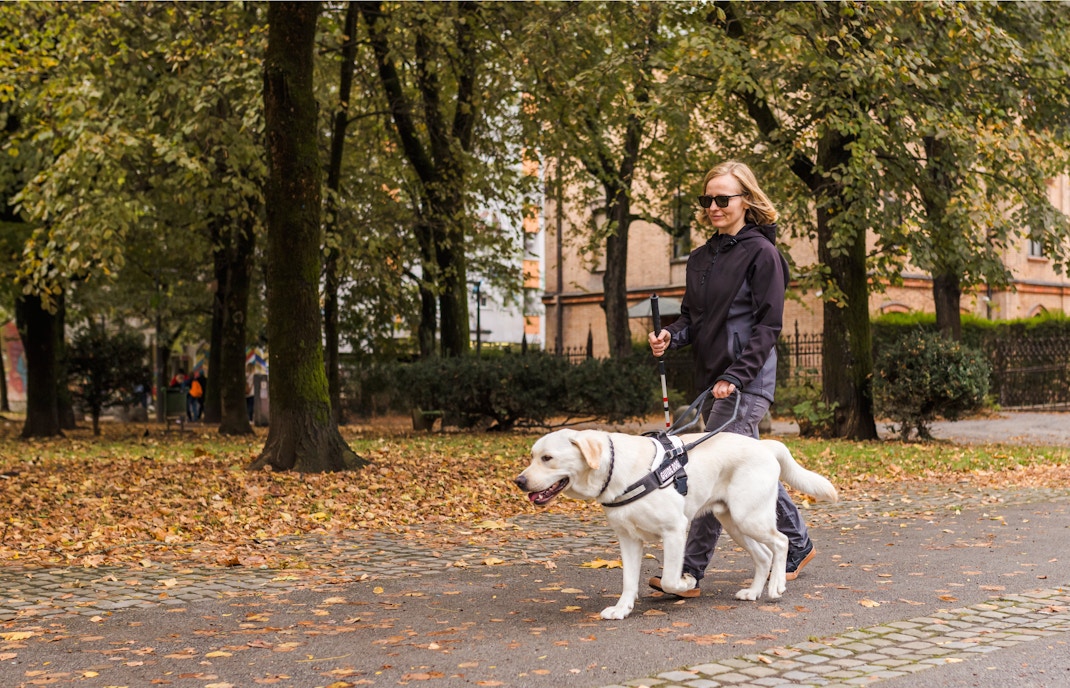
- 🐾 Pets: Pets are not allowed inside the monument, except for service animals assisting visitors.
- 🖐️ Touching exhibits / climbing: Climbing on the fortifications or touching protected heritage features is prohibited because of the site’s age and conservation needs.
- 🚫 Luggage: Suitcases and oversized bags are not permitted inside the castle.

Photography
Photography is generally allowed throughout Château d’Angers, including on the ramparts and in most indoor spaces, but flash should not be used in the Apocalypse Tapestry gallery because of conservation rules. Tripods and bulky photo equipment are best assumed to be restricted unless you have prior permission, and drones are not permitted over the site.
Good to know
- Last entry: Last entry is 45 minutes before closing, which matters more here than at some castles because the tapestry gallery alone deserves unhurried time.
- Free-entry days: The first Sunday of the month from November to March is free, but it often feels busier than a regular paid weekday.
Practical tips
- Booking and arrival: Book a day or two ahead for summer weekends or holiday dates if you want the quickest entry, but on quieter weekdays you can usually stay flexible and still get in without trouble.
- Pacing: Do the ramparts before the tapestry if the weather is good — the wall circuit takes more energy, while the tapestry gallery rewards slower, quieter attention once you’re ready to stand still.
- Crowd management: The best sweet spot is right after opening on a midweek morning, because you’ll get clearer views on the walls and a less crowded tapestry hall before tour groups filter in.
- What to bring or leave behind: Bring a light layer even in warmer months, because the tapestry gallery is kept cool and dim for conservation, and leave large bags behind since they are not allowed inside.
- Food and drink: Treat the on-site café as a short break, not your main meal; if you want lunch, it’s smarter to finish the castle first and then eat in the old town so you don’t cut the visit in half.
- Photos: Save your widest city-view shots for the ramparts and your detail photos for the gatehouse, because the tapestry gallery’s low light makes quick phone photography less rewarding than people expect.
- Families: If you’re visiting with children, lead with the drawbridge and towers before the quieter rooms — once kids hit the tapestry first, you’ll spend the rest of the visit trying to rebuild momentum.
What else is worth visiting nearby?

Commonly paired: Angers Cathedral
- Distance: 350m — 5 min walk
- Why people combine them: It’s the most natural pairing after the castle because you stay inside the same medieval core of Angers and switch from fortress architecture to stained glass and Gothic interiors.
Commonly paired: Musée Jean-Lurçat et de la tapisserie contemporaine
- Distance: 1.1km — 15 min walk
- Why people combine them: People who come for the Apocalypse Tapestry often want a second tapestry-focused stop, and this museum makes the castle visit feel more complete rather than repetitive.
Also nearby
Maison d’Adam
- Distance: 500m — 7 min walk
- Worth knowing: It’s a quick old-town stop rather than a full attraction, but it adds character to the short walk between the castle and cathedral.
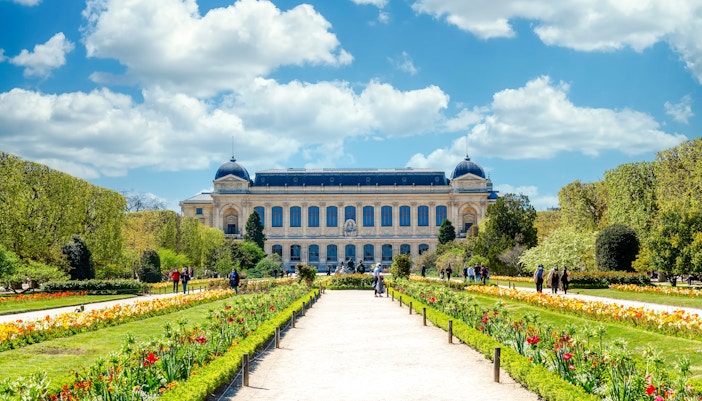
Jardin des Plantes d’Angers
- Distance: 1.3km — 18 min walk
- Worth knowing: If the castle gardens leave you wanting more green space, this is the easiest nearby place to slow the day down without leaving central Angers.
Eat, shop and stay near Château d’Angers
- On-site: There’s a small café inside the castle for drinks and a light bite, but it’s best used as a convenience stop rather than where you plan lunch.
- Place Sainte-Croix cafés (6-min walk, Place Sainte-Croix, 49100 Angers): Good for a post-visit coffee or simple lunch once you’ve left the fortress and want more choice than the on-site café.
- Cathedral quarter bakeries (6–8 min walk, around Rue Saint-Aubin and nearby streets, 49100 Angers): Best if you want something quick, portable, and cheaper than sitting down for a full meal.
- Old town riverside terraces (8–10 min walk, near the Maine riverfront, 49100 Angers): Better for a slower lunch after the castle, especially on a warm day when you want to stay outdoors.
- 💡 Pro tip: Don’t stop for lunch halfway through the castle unless you’re done with the site — the visit flows much better if you finish the tapestry and ramparts first, then eat in the old town.
- Castle gift shop: The easiest and most relevant shopping stop for tapestry books, postcards, and small history-focused souvenirs is the on-site shop near the visitor route.
- Old town boutiques near the cathedral: If you want something less museum-like, the streets between the castle and cathedral are the most useful area to browse for regional gifts and small independent shops.
Staying near Château d’Angers makes sense if you want a compact, walkable base for one or two nights in Angers. You’ll be close to the old town, the cathedral, and the station, and the area feels more atmospheric than purely practical. For longer Loire Valley trips focused on multiple castles by car, Angers works well, but it isn’t the only obvious base.
- Price point: Central Angers usually sits in the mid-range, with the most convenient stays near the old town and station rather than directly beside the castle walls.
- Best for: Short city breaks, rail travelers arriving from Paris or Nantes, and anyone who wants to see the castle first thing without extra transport planning.
- Consider instead: Saumur works better if you want a smaller Loire town with an easy château-and-wine rhythm, while Nantes makes more sense if your trip mixes city time with just one or two heritage stops.
Frequently asked questions about visiting Château d’Angers
Most visits take 1.5–2 hours. That’s enough for the Apocalypse Tapestry, the main residence spaces, the gardens, and a full walk along the ramparts. If you stop often for photos, use the Audioguide, or climb every accessible tower section, plan closer to 2.5 hours.
No, you usually don’t need to book far in advance for Château d’Angers. The site has good capacity, and many visitors buy tickets on the day. Pre-booking online still helps on summer weekends, holiday periods, and free-entry Sundays, because it removes the small friction of buying at the gate.
You only need to arrive about 10–15 minutes early if you already have your ticket. Château d’Angers is not run like a tightly timed-entry museum, but that buffer gives you time for bag checks, picking up an Audioguide, and starting before groups make the tapestry gallery feel busier.
Yes, you can bring a small backpack or day bag, but large luggage is not allowed inside. That matters if you’re arriving straight from the station, because the castle does not have on-site lockers. If you’re carrying a suitcase or oversized bag, store it before you come.
Yes, photography is generally allowed in most parts of the castle. The main restriction is in the Apocalypse Tapestry gallery, where you should not use flash because of conservation rules. The best photo spots are the ramparts, the gatehouse, and the moat gardens rather than the darker interior rooms.
Yes, Château d’Angers works well for groups, and the site can accommodate them comfortably. Large groups should still arrive with tickets sorted in advance and expect the tapestry gallery to feel tighter than the open-air areas. If you want more context, the castle’s guided visits are more useful for groups than wandering independently.
Yes, it’s one of the more family-friendly historic sites in the Loire region. The drawbridge, towers, walls, and gardens keep children engaged better than a purely indoor museum would. Most families do well with a visit of around 1.5 hours, especially if they lead with the outdoor sections first.
Partly, yes. The lower grounds, key interior areas, and core route are accessible, and the site is easier than many medieval monuments at ground level. The main limits are the ramparts, upper towers, and stair-heavy wall sections, so visitors using wheelchairs should plan for a partial rather than total-site visit.
Yes, there is a small on-site café, and there are plenty of better meal options within a 5–10 minute walk in Angers’ old town. If you only want a drink or short pause, the café is enough. If you want lunch, you’ll have more choice and better value once you leave the castle.
Yes, the Apocalypse Tapestry is a core part of the standard visit and is normally on display in its dedicated gallery. It is the castle’s headline highlight, so most visitors build their route around it. The main thing to expect is low lighting and a cooler temperature inside for conservation.
Yes, the €3 Audioguide is worth it if you want more than a visual walk-through. It adds the most value in the Apocalypse Tapestry gallery, where the imagery is much richer once someone explains what you’re looking at. For the outdoor walls and gardens, signage is enough for many visitors.