Plan Your Visit to Château d’Azay-le-Rideau
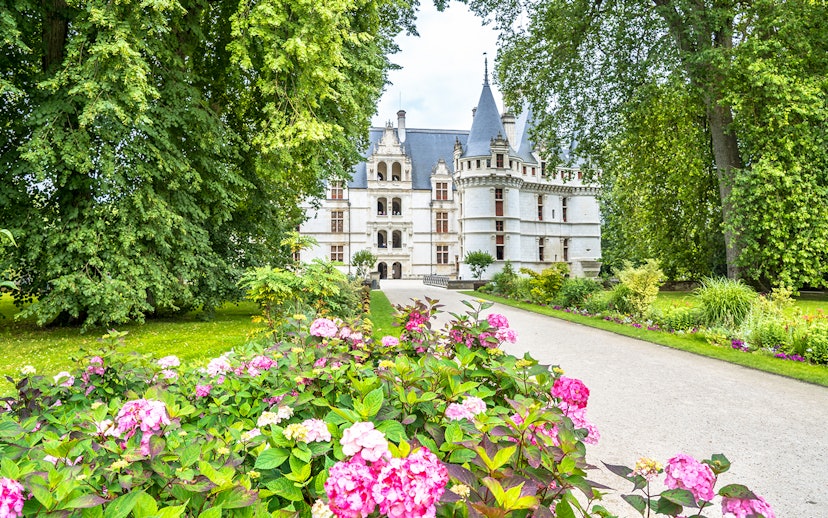
Château d’Azay-le-Rideau is a Renaissance castle best known for its reflective island setting, elegant staircase, and richly restored period rooms. The visit is manageable rather than overwhelming, but it works best if you treat it as both an interior visit and a park walk, not just a quick room-to-room stop. What most changes the experience is timing: the reflections, the staircase, and the upper-floor rooms all feel very different once late-morning groups arrive. This guide helps you plan the right arrival time, route, and ticket choice.
Quick overview: Château d’Azay-le-Rideau at a glance
If you want the short version before you book, this is what will actually shape your visit.
- When to visit: April–October: around 10am – 5:15pm; the first hour after opening is noticeably calmer than 11am – 2pm, because that is when Loire day-trippers and coach groups overlap in the staircase and upper rooms.
- Getting in: From: €13 for standard entry. Guided tour: from €13, with the French-language tour included once you are inside. You can often book close to your date outside summer, but holiday weekends are worth securing ahead.
- How long to allow: 1.5–2 hours suits most visitors. It stretches toward 2.5 hours if you want the full park loop, audio guide, and time for reflection photos.
- What most people miss: The water-mirror viewpoints around the south and west façades, and the Biencourt Salon, which is easy to rush past on the way to the better-known staircase and bedroom.
- Is a guide worth it? Yes, if you want architectural and historical context and you follow French well; otherwise, the €3 audio guide is the better-value choice.
🎟️ Tickets for Château d’Azay-le-Rideau can disappear a few days ahead on peak summer weekends. Lock in your visit before the time you want is gone.
See ticket options.
Jump to what you need
🕒 Where and when to go
🗓️ How much time do you need?
🏰 What to see
♿ Facilities and accessibility
Where and when to go
How do you get to Château d’Azay-le-Rideau?
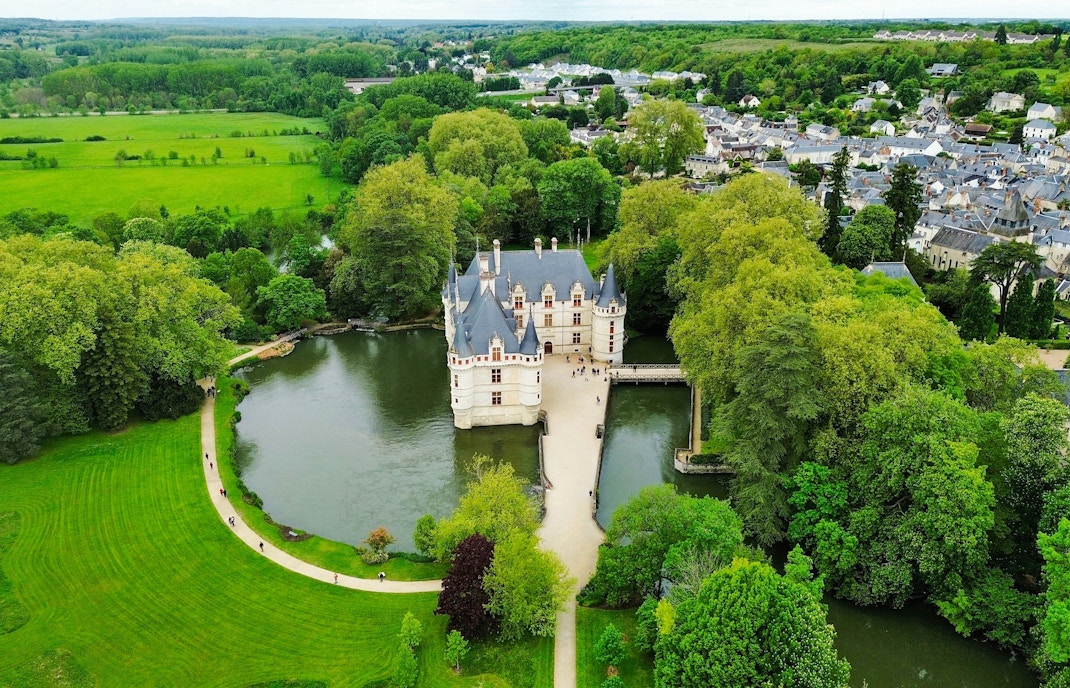
The château sits in the center of Azay-le-Rideau, about 25km (15.5 mi) south-west of Tours, with the train station and village center both close enough to make a half-day visit easy.
Address: 19 Rue Balzac, 37190 Azay-le-Rideau, France
- Train: Azay-le-Rideau station → 15-minute walk → the simplest car-free option from Tours if you do not mind a 1.5km (0.9 mi) walk.
- Car: A85 exit 15 → follow D7 into Azay-le-Rideau → the easiest option for château-hopping days, with paid parking near the site.
- Taxi: Azay-le-Rideau station → 5–10 minutes → worth it if you want to skip the station walk in hot or wet weather.
Getting here from nearby cities
Azay-le-Rideau works best as a short regional trip from nearby Loire bases rather than a full stand-alone journey.
From Tours
- Distance: 25km (15.5 mi)
- Travel time: 30–40 minutes via TER train + walk or about 30 minutes by car
- Time to budget: This still leaves you enough time to add lunch in town or pair the visit with Villandry the same day
From Chinon
- Distance: 20km (12.4 mi)
- Travel time: About 30 minutes by car via local roads
- Time to budget: Easy half-day pairing if you want one château visit and one wine or old-town stop
Which entrance should you use?
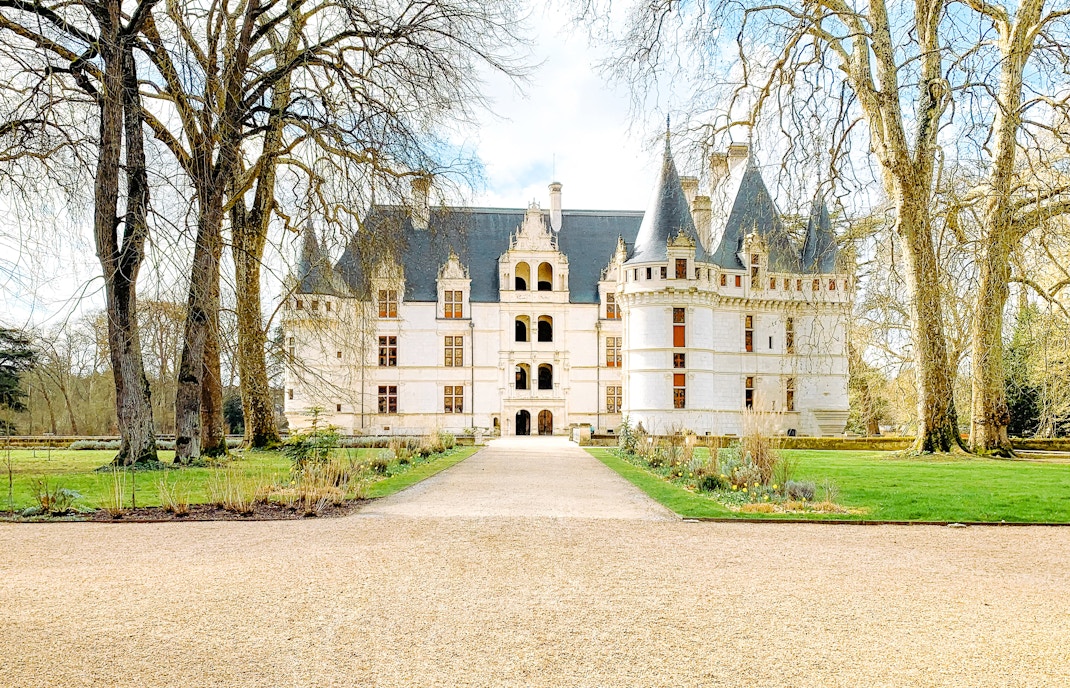
There is effectively one public entrance, and most visitors get this wrong only by arriving too late in the day and trying to rush both the rooms and the park.
- Main entrance: Located off Rue Balzac on the town-side approach. Best for all visitors. Expect 5–15 minutes during July and August late mornings.
Full entrances guide
When is Château d’Azay-le-Rideau open?
- Main season: Around 10am – 5:15pm
- Winter: Seasonal closure applies for part of December and January
- Last entry: Give yourself at least 1.5 hours before closing if you want the full interior and the audio guide without rushing
When is it busiest? May–August, especially weekends from 11am – 2pm, when the central staircase and upper rooms feel most congested.
When should you actually go? The first hour after opening is your best window if you want quieter interiors and cleaner reflection photos before the paths and bridges fill up.
How do you get around Château d’Azay-le-Rideau?
How the site is laid out
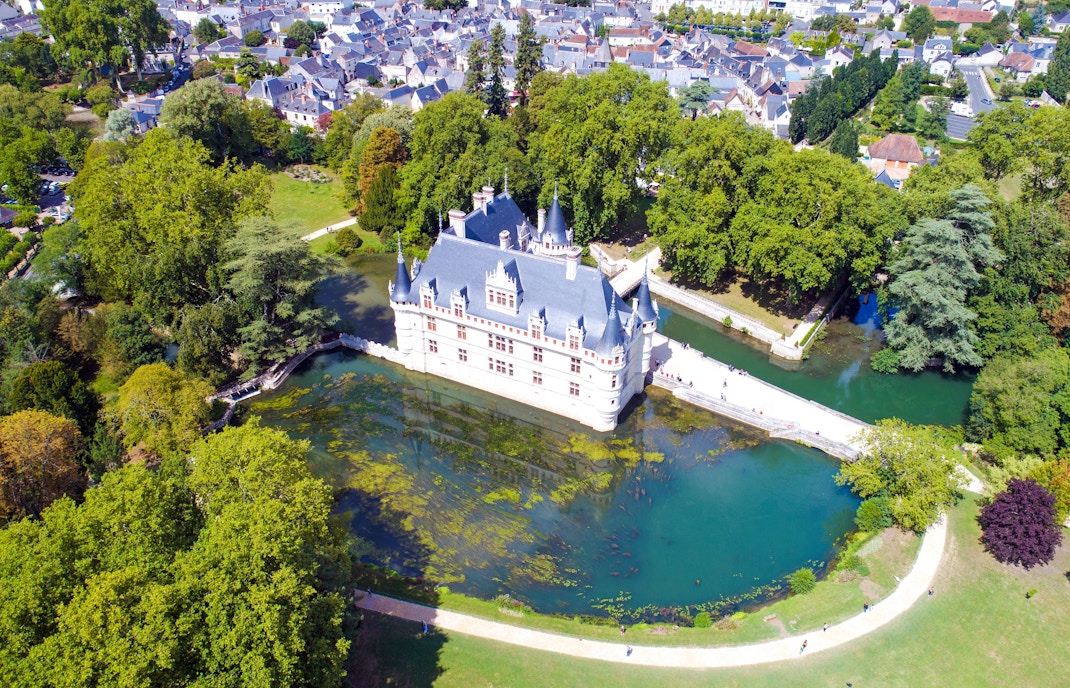
The château is best explored on foot and is compact enough for a short visit, but the full experience only makes sense if you pair the interior route with a proper walk through the park. The main staircase sits at the heart of the route, so orientation is easy once you are inside.
- Grand staircase: Central architectural highlight → ornate stonework, carved details, and sightlines across levels → 10 minutes
- First floor salons: Biencourt interiors and 19th-century decorative rooms → best for furniture, portraits, and atmosphere → 15–20 minutes
- Second floor: Renaissance bedroom and upper rooms → strongest historic detail and one of the visit’s real highlights → 15 minutes
- South and west façades: Water-mirror views and the classic castle reflection → best exterior photo angles → 10–15 minutes
- Park loop: Shaded paths, bridges, and longer façade views → where the château’s setting makes most sense → 20–30 minutes
Suggested route: Start inside while the rooms are quieter, go all the way up to the bedroom, come back down slowly through the salons, and finish with the park once you know which exterior angles you want to seek out.
Maps and navigation tools
- Map: On-site orientation points and visitor materials cover the room route and park paths → pick up your bearings at the entrance before you start.
- Signage: Indoor wayfinding is straightforward because the route is compact, but the park rewards a slower loop if you want the best viewpoints rather than the fastest exit.
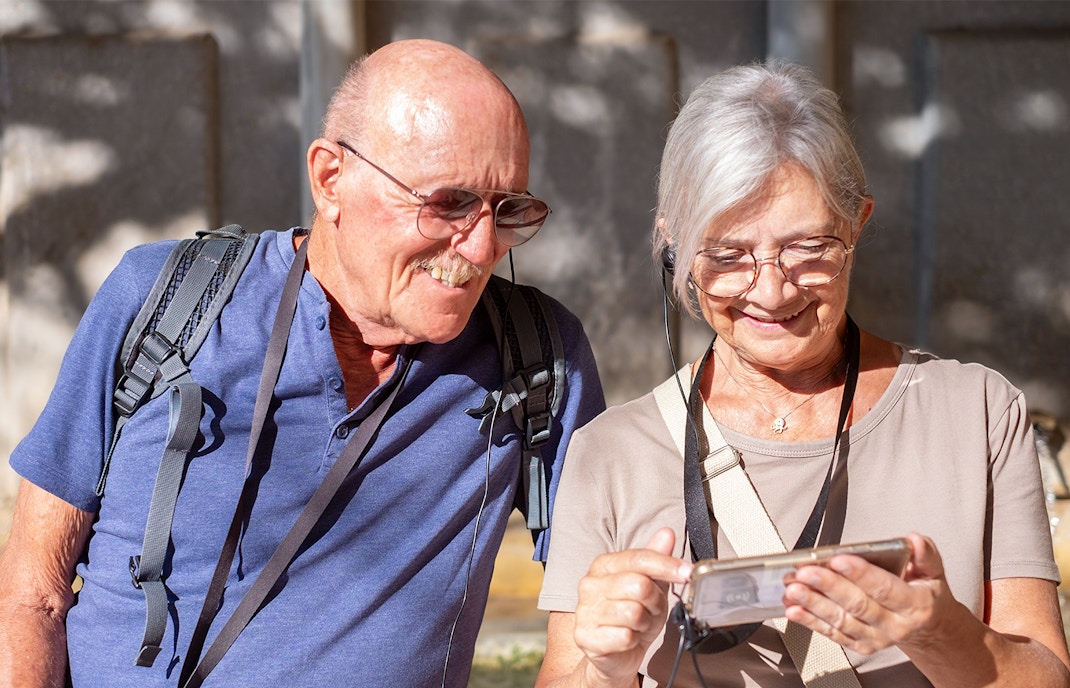
- Audio guide / app: The handheld audio guide is available in 5 languages, with a junior version for children 6–12, and adds more value than a purely self-guided visit.
💡 Pro tip: Do not leave the park until the end only if you are short on time — otherwise, glance at the façade first so you know which reflection angles you want to return to after the interior.
What are the most significant spaces in Château d’Azay-le-Rideau?
The water-mirror façades
Feature type: Exterior viewpoint
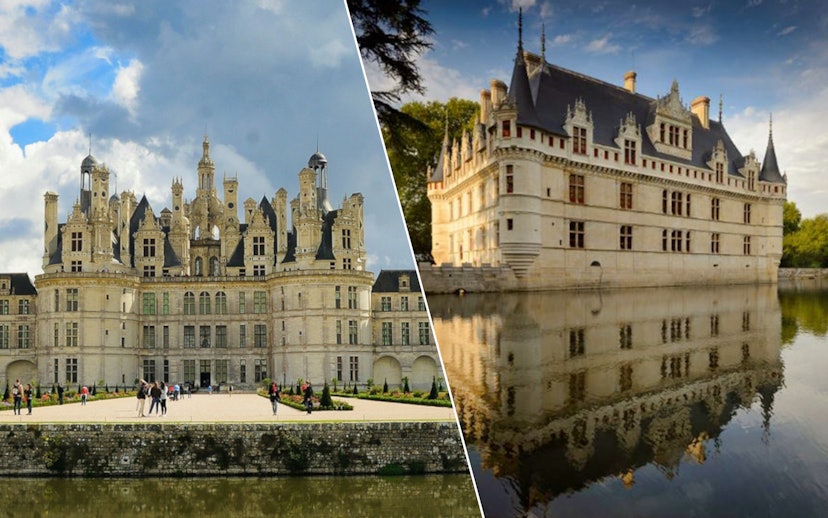
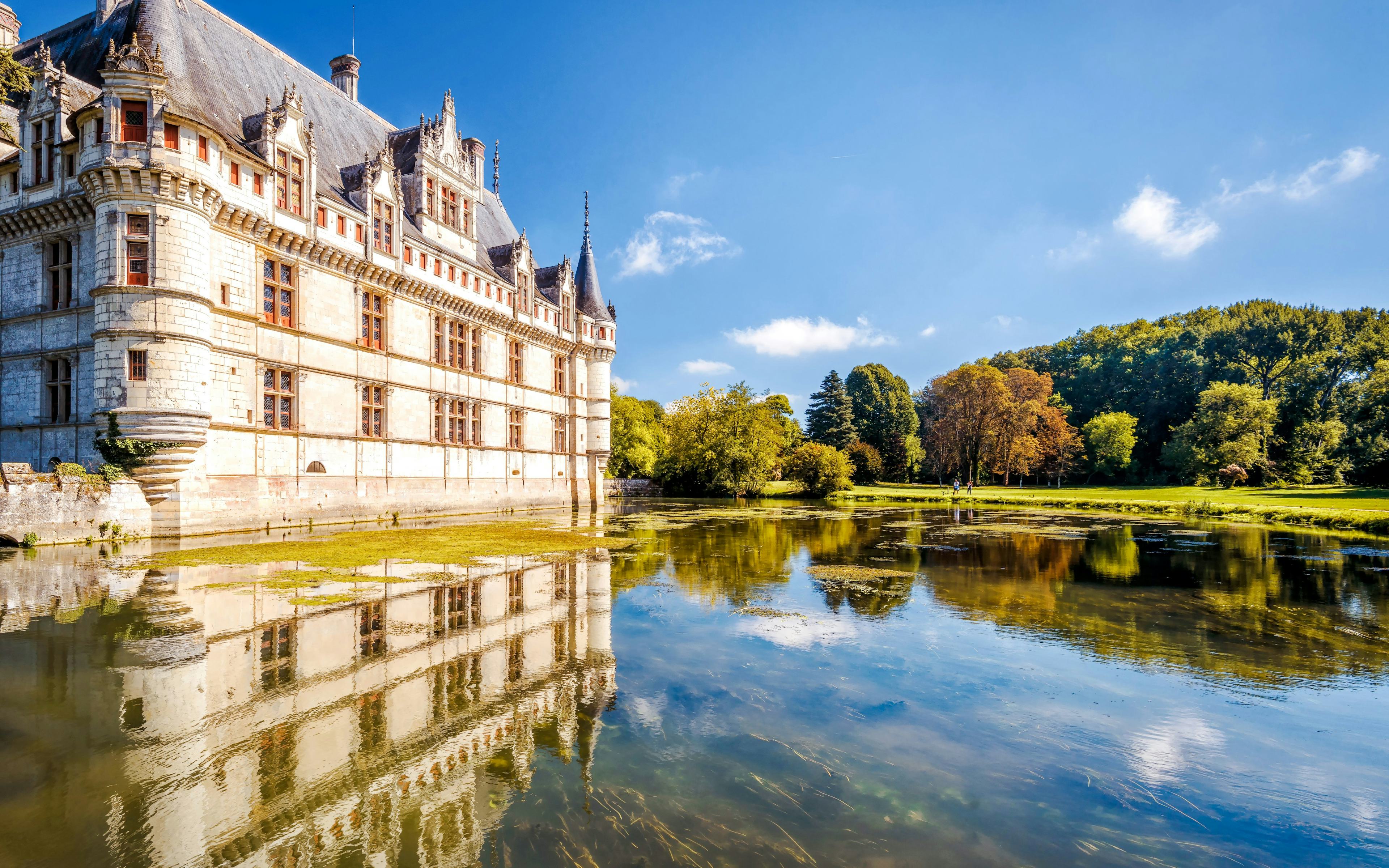
This is the image most people come for: the château appearing to float above still water, with towers, dormers, and chimneys reflected back almost symmetrically. The detail many visitors miss is that the strongest views are not the first ones they see from the entrance approach, but the quieter angles along the south and west sides.
Where to find it: Around the park loop, especially beside the south and west water mirrors
The grand staircase
Feature type: Renaissance architecture
Azay-le-Rideau’s staircase is one of the château’s defining innovations, with a straight double-flight design that feels more Italian Renaissance than medieval French fortress. Most visitors admire it once and move on too fast; take time to look up at the ceiling and carved royal symbols, then turn around and look back through the loggias from each level.
Where to find it: At the center of the château’s interior route, linking the main levels
The Renaissance bedroom
Feature type: 16th-century interior reconstruction
This upper-floor room gives the clearest sense of noble domestic life, with its richly dressed bed and unusual rush wall coverings. What many people rush past is the explanation of those woven walls: they were both decorative and practical, helping with insulation and comfort in a large stone residence.
Where to find it: On the second floor, reached after climbing the central staircase
The Biencourt Salon
Feature type: 19th-century decorative room
The Biencourt Salon shows the château’s later life just as vividly as its Renaissance core, with leather wall coverings, warm red-and-gold tones, portraits, and a neo-Renaissance fireplace. It is easy to overlook because the staircase and bedroom get more attention, but this is the room that explains how the castle was reimagined and lived in centuries later.
Where to find it: On the first floor, along the main interior route
The landscaped park
Feature type: 19th-century park design
The park is not filler around the castle — it is part of the reason the site feels so memorable. The winding paths, mature exotic trees, and shifting views of the façades make the château feel larger and more theatrical than the interior alone suggests. Many visitors shorten this part, then leave without ever seeing the quietest reflection points.
Where to find it: All around the château, with the best loops branching from the main exterior paths and bridges
Facilities and accessibility
- 🛍️ Gift shop / merchandise: The shop is part of the interior route, so it is easiest to browse after the rooms rather than doubling back.
- 🎧 Audio guides: Handheld audio guides are available in 5 languages, with a junior version for children 6–12, and the last rental is 1.5 hours before closing.
- 🪑 Seating / rest areas: Benches in the landscaped park make it easy to slow the visit down if you want breaks between the interior and exterior.
- 🅿️ Parking: Paid parking near the château is convenient for drivers, but it is worth budgeting for because visitors regularly mention the cost.
- 🌳 Outdoor space: The park gives you room to spread out after the narrower interior route, which is especially useful on busy late mornings.
- ♿ Mobility: The park is easier than the interior, but the upper floors are reached by stairs only and there is no elevator, so full wheelchair access is not available.
- 👁️ Visual impairments: The audio guide adds room-by-room context in 5 languages, but the visit still relies heavily on visual displays and architecture.
- 🧠 Cognitive and sensory needs: The first hour after opening is the calmest time to visit, while late morning is the busiest period in the staircase and upper rooms.
- 👨👩👧 Families and strollers: Strollers work best around the exterior and park paths, while the interior’s uneven stone floors and stairs make the full route harder with a pushchair.
This works well with children if you treat it as a short castle visit plus outdoor time, not a long room-by-room history lesson.
- 🕐 Time: 60–90 minutes is realistic with younger children if you focus on the staircase, one or 2 major rooms, and the park.
- 🏠 Facilities: The junior audio guide helps keep the castle route more engaging than a purely adult-focused visit.
- 💡 Engagement: Turn the exterior walk into a reflection hunt and ask children to spot the best ‘floating castle’ angle before you leave.
- 🎒 Logistics: Bring a small bag and keep the pace light, because the interior includes stairs and the best family decompression space is outside.
- 📍 After your visit: The village center is close enough for an easy ice cream or snack stop before you move on.
Rules and restrictions
What you need to know before you go
- Entry requirement: Standard admission covers the château and park, while children under 18 and EU residents under 26 can enter free with valid ID.
- Bag policy: Travel light, because large bags are not ideal for the compact interior route and historic rooms.
- Re-entry policy: Plan the château and park as one continuous visit so you are not breaking up a short route with parking, lunch, or audio-guide timing.
- Footwear: Flat, steady shoes help more than people expect because the visit mixes gravel paths outside with stone floors and stairs inside.

Not allowed
- 🚫 Food and drink: Keep food and open drinks for the park or town rather than the furnished interior rooms.
- 🖐️ Touching interiors: Do not touch furniture, tapestries, or decorative surfaces, and avoid leaning on delicate historic features such as the staircase railings.
Photography
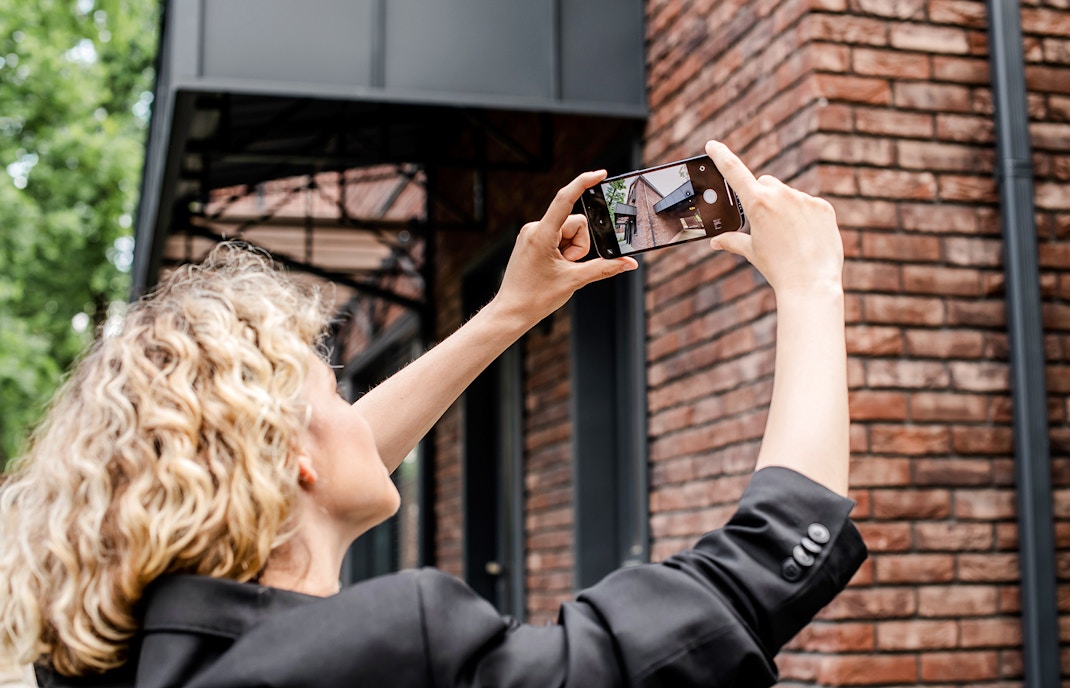
Photography is most rewarding outdoors, where the reflections and park viewpoints do the real work. Inside, keep your shooting discreet and expect tighter rules around furnished rooms and historic surfaces; flash is best avoided, and bulky photo setups are impractical on the staircase and in the smaller upper-floor spaces.
Good to know
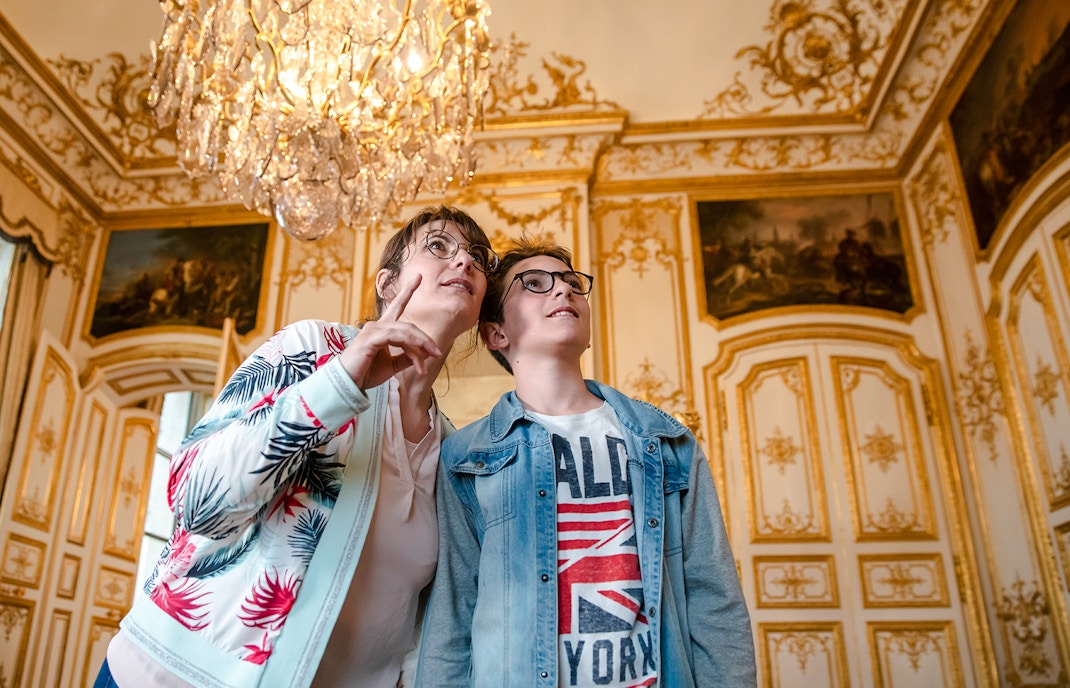
- French-only guided tours: The free live guided tour is useful, but it runs in French, so non-French speakers usually get more from the €3 audio guide.
- Last audio-guide rental: Do not leave the audio guide until late in the day, because rentals stop 1.5 hours before closing.
Practical tips
- Booking and arrival: Book a few days ahead if you want a summer weekend visit, but outside peak holiday dates you can often stay flexible and still get in comfortably.
- Pacing: Do the interior first, because the staircase and upper rooms feel tighter once late-morning groups arrive, then slow down properly in the park instead of treating it as the exit path.
- Crowd management: The best window is the first hour after opening, when the façades are quieter, the reflections are cleaner, and the staircase is easier to appreciate without people constantly moving through it.
- What to bring or leave behind: A small day bag is the sweet spot here; bigger bags are awkward on the stone stairs and make a short visit feel more cumbersome than it needs to.
- Food and drink: Do not plan on the château solving lunch for you — the smarter move is to eat before you enter or head into the village afterward, where the options are better and you will not feel rushed.
- Photography: If the classic reflection shot matters to you, do not rely on midday luck; build in time at the start or end of your visit to walk the south and west sides of the park.
- Families: With children, stop trying to ‘complete’ every room and build the visit around the staircase, the bedroom, and time outside, which keeps the whole experience lighter.
What else is worth visiting nearby?
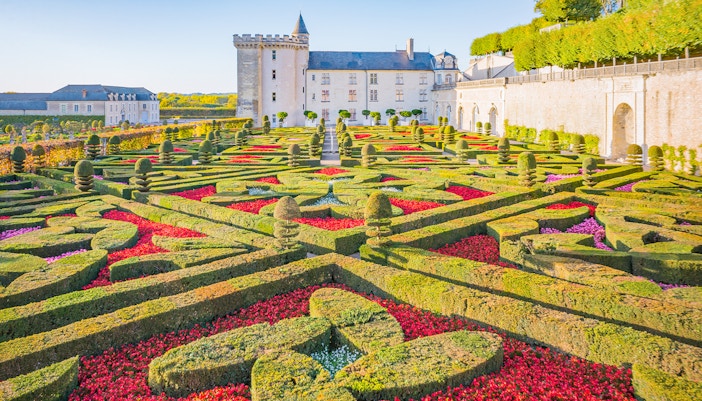
Commonly paired: Château de Villandry
Distance: 15km (9.3 mi) — about 20–25 minutes by car
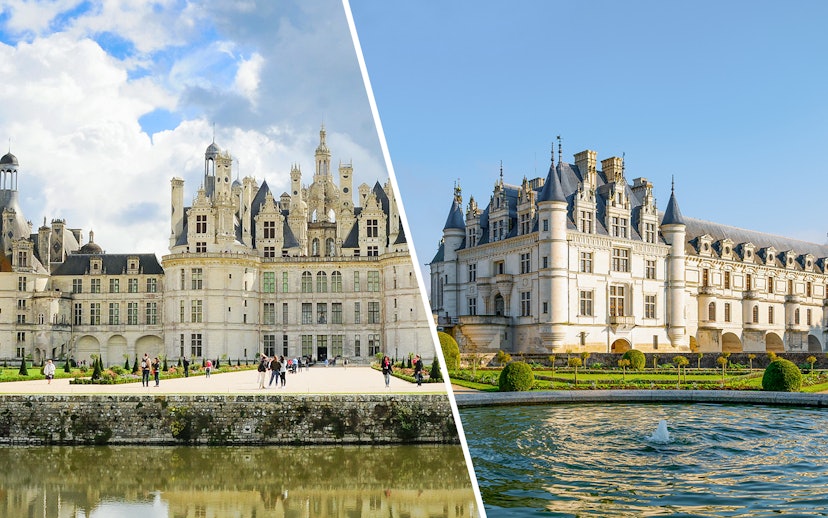
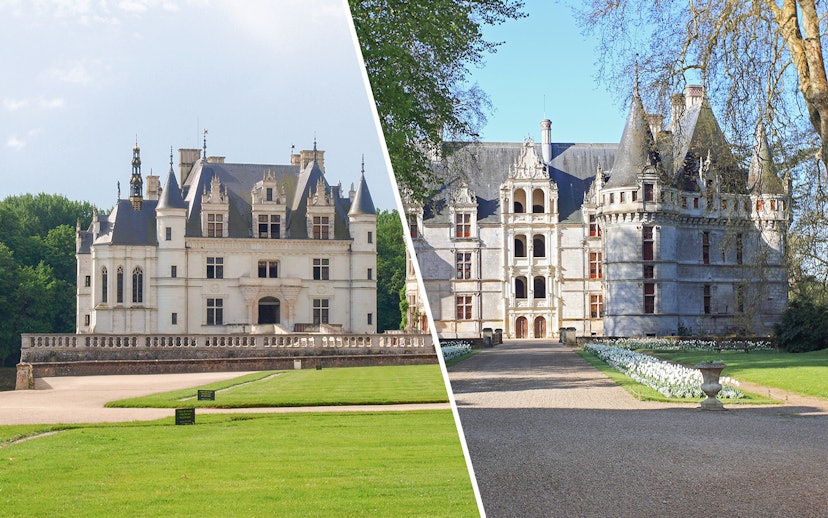
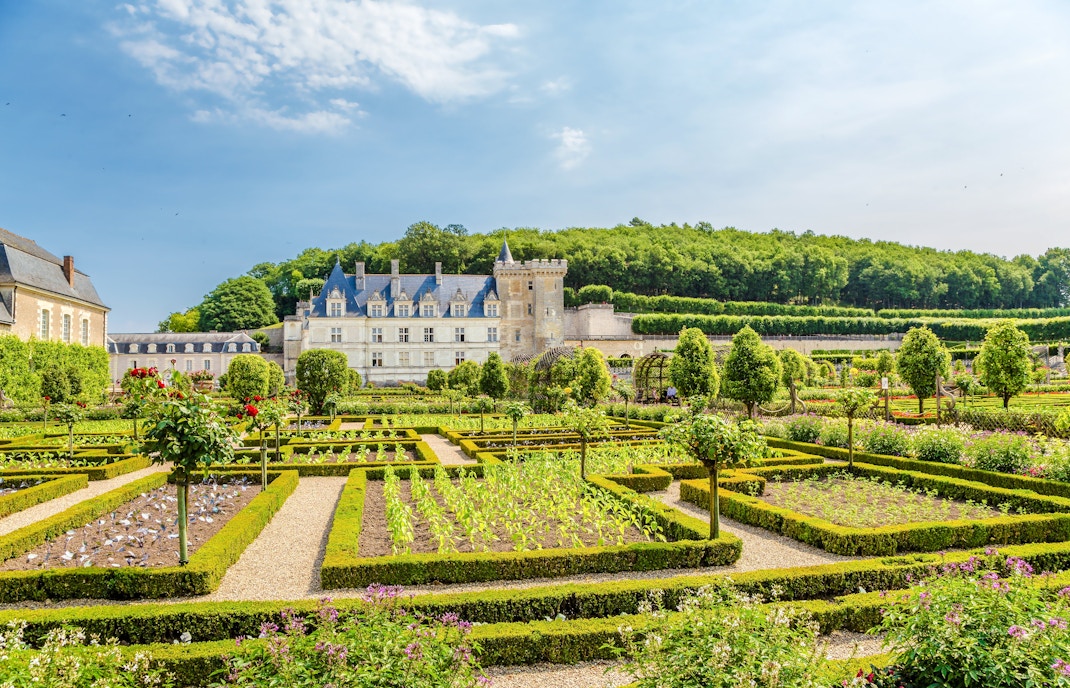
Why people combine them: Azay gives you the romantic castle setting and interiors, while Villandry adds the Loire Valley’s most famous formal gardens, so the pairing feels varied rather than repetitive.
Book / Learn more
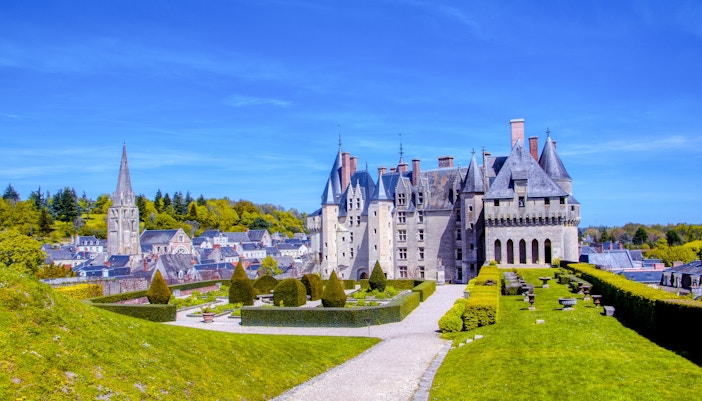
Commonly paired: Château de Langeais
Distance: 12km (7.5 mi) — about 15 minutes by car
Why people combine them: Langeais adds a more medieval mood and a different architectural era, which makes it a smart second stop if you want contrast on the same day.
Also nearby
Village of Azay-le-Rideau
Distance: Steps from the château — 5 minutes on foot
Worth knowing: It is the easiest place to stop for lunch, coffee, or a slow post-visit wander without adding any real logistics.
Chinon wine area
Distance: 20km (12.4 mi) — about 30 minutes by car
Worth knowing: This is a good next stop if you want to end your château day with wine tasting rather than another interior visit.
Eat, shop and stay near Château d’Azay-le-Rideau
- On-site: The château is better treated as a sightseeing stop than a food stop, so plan to eat in town rather than building your day around on-site options.
- Village center cafés (5–10-minute walk, central Azay-le-Rideau): Best for coffee, a light lunch, or a quick reset before or after the visit.
- Touraine wine bars (5–10-minute walk, near Rue Balzac): Better if you want a slower sit-down finish after the castle instead of eating on arrival.
- Local bakeries and takeaway spots (5–10-minute walk, village center): The most practical choice if you want a fast lunch before driving on to another château.
- 💡 Pro tip: Late morning is the busiest time to hunt for lunch, so either eat before you enter or wait until after 1:30pm for a calmer meal in town.
- Château gift shop: Best for books, postcards, and classic château souvenirs, and easiest to browse because it sits directly on the visitor route.
- Village boutiques: Better than the gift shop if you want local food gifts or something less generic than standard monument merchandise.
Yes, if your trip is château-focused and you want a quieter Loire Valley base with easy driving between sites. No, if your priority is nightlife, train convenience, or a wider city break feel — in that case, Tours works better. Azay-le-Rideau suits travelers who want mornings to feel easy rather than busy.
- Price point: The area usually feels mid-range, with smaller guesthouses and countryside-style stays rather than large hotel variety.
- Best for: Short Loire Valley trips where you want to stay close to château country and keep your daily logistics simple.
- Consider instead: Tours if you want stronger restaurant and transport options, or Chinon if you want a more atmospheric old-town base with wine-country appeal.
Frequently asked questions about visiting Château d’Azay-le-Rideau
Most visits take 1.5–2 hours, and a slower visit with the park loop, audio guide, and photo stops can reach 2.5 hours. The interior itself is not huge, so the extra time usually comes from the exterior viewpoints and not from getting lost in dozens of rooms.
No, not for most dates, but booking ahead is smart for summer weekends and holiday periods. Outside peak periods, you can often stay flexible, while late-morning holiday slots are the ones most likely to tighten up first.
Arrive about 15 minutes early if you already have a ticket. That gives you enough time to enter smoothly, decide whether you want the audio guide, and start before the staircase and upper rooms become busier.
A small day bag is usually fine, but a large backpack is a bad idea here. The route includes stairs, tighter interior spaces, and historic rooms, so traveling light makes the visit easier and avoids problems at entry.
Yes, and the best photos are usually outside rather than inside. The water-mirror façades are the real prize, while interior photography works best if you keep it discreet and avoid flash around the furnished rooms.
Yes, but it works best if your group stays compact and moves with a plan. The route is not sprawling, and the central staircase can bottleneck quickly, so large groups feel the crowding more than smaller ones do.
Yes, especially if you keep the visit short and mix the interiors with time outside. Children usually respond best to the staircase, the bedroom, and the ‘castle on the water’ setting rather than a long, detailed room-by-room tour.
No, not in full. The park is easier to manage, but the upper floors are reached by stairs only and there is no elevator, so the full château route is not step-free.
Yes, but the better strategy is to eat in the village rather than rely on the château itself. The town center is only a short walk away and fits naturally before or after your visit.
Yes, audio guides are available in 5 languages, plus a junior version for children 6–12, and they are worth the extra €3 for most non-French speakers. They add the context that many of the rooms need without locking you into a fixed group pace.
The first hour after opening is usually the best time for photos. You get calmer paths, cleaner reflections, and fewer people crossing the bridges and water-mirror viewpoints that frame the château best.
Buy online ahead of time if you are visiting in summer or on a weekend, and use on-site purchase only when you are happy to stay flexible. It is not a brutal queueing site, but advance booking removes one more variable from a short visit.