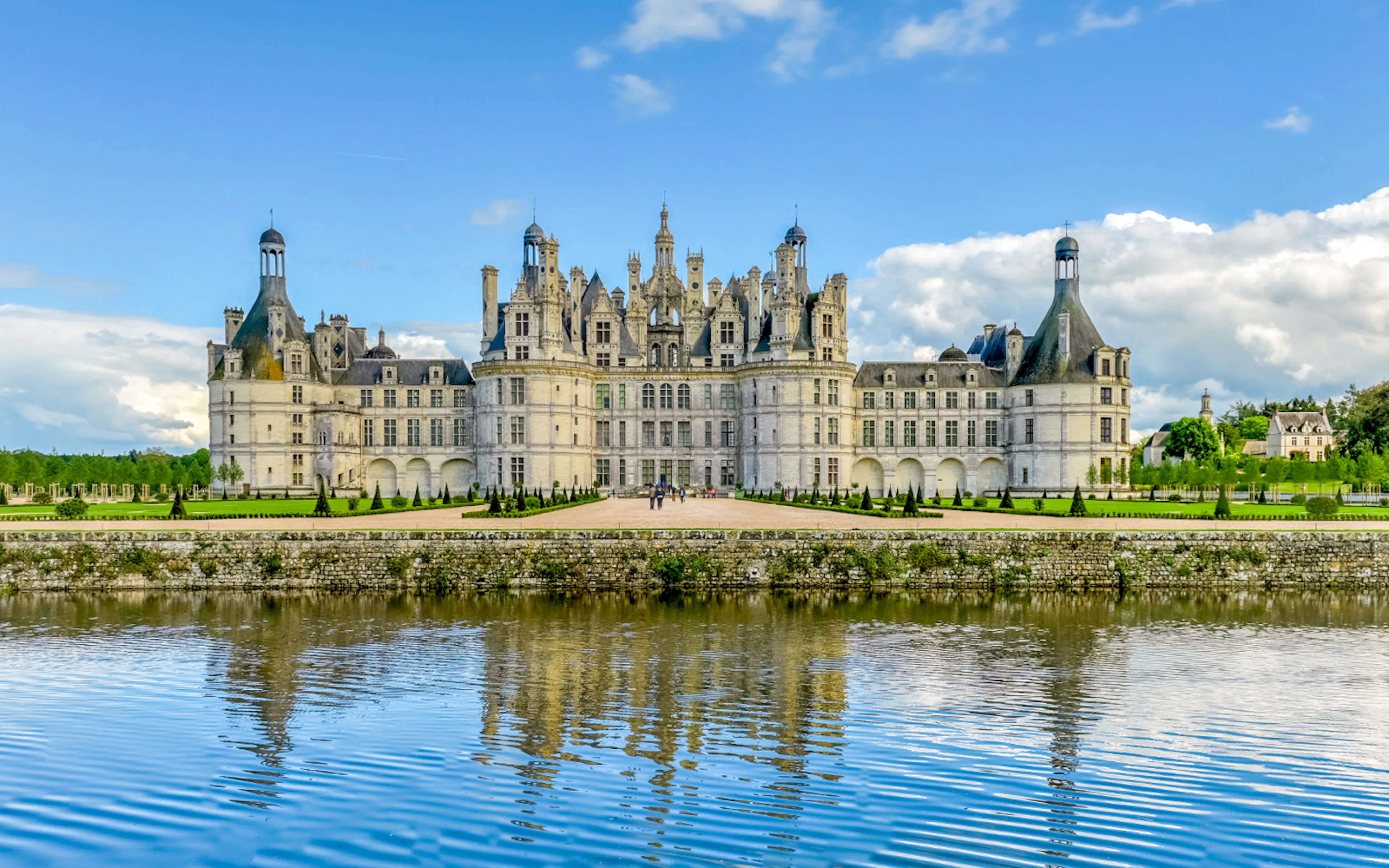
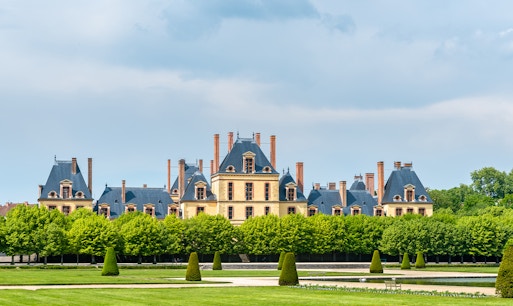
Built on the banks of the Loire River, the chateau is a blend of Gothic and Renaissance architecture. The gardens within the chateau walls host the renowned International Garden Festival annually, with a different theme each year. The idea is to design one of the 30-odd show gardens on the castle grounds.
Loire Valley Travel Guide | Top Attractions, Travel Essentials, Tips & More
Situated between northern and southern France is a UNESCO World Heritage Site – the Loire Valley.
Widely regarded as the ‘Cradle of the French Renaissance’, the Loire Valley is situated on the banks of the Loire River and is home to aristocratic chateaux and castles, historic villages, verdant landscapes, and fragrant vineyards.
Did you know? With an annual footfall of 3.3 million visitors, the Loire Valley chateaux are some of the most visited sites in all of France.
Best castles to visit
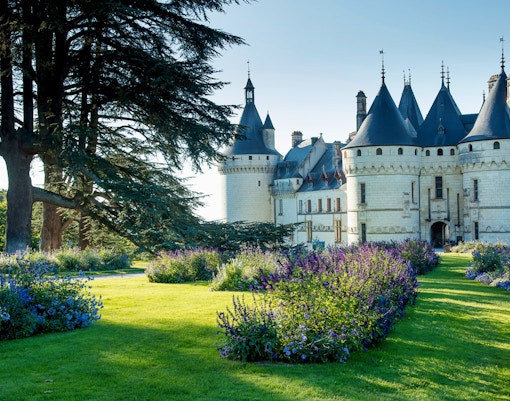
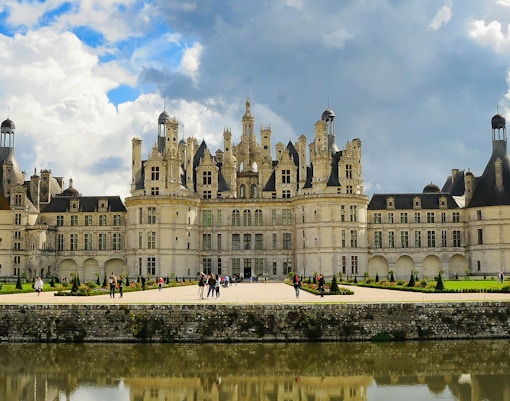
Château de Chambord
With a reputation for being the largest castle in the Loire Valley, the chateau is a blend of Renaissance architecture with traditional French medieval forms. A unique double-helix staircase possibly designed by Leonardo da Vinci is one of its main highlights, in addition to the grandeur of 440 rooms and 365 fireplaces.
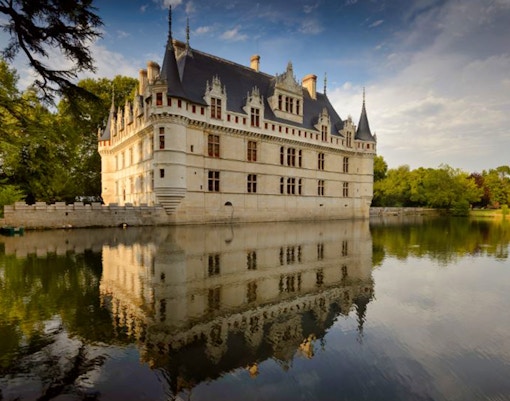
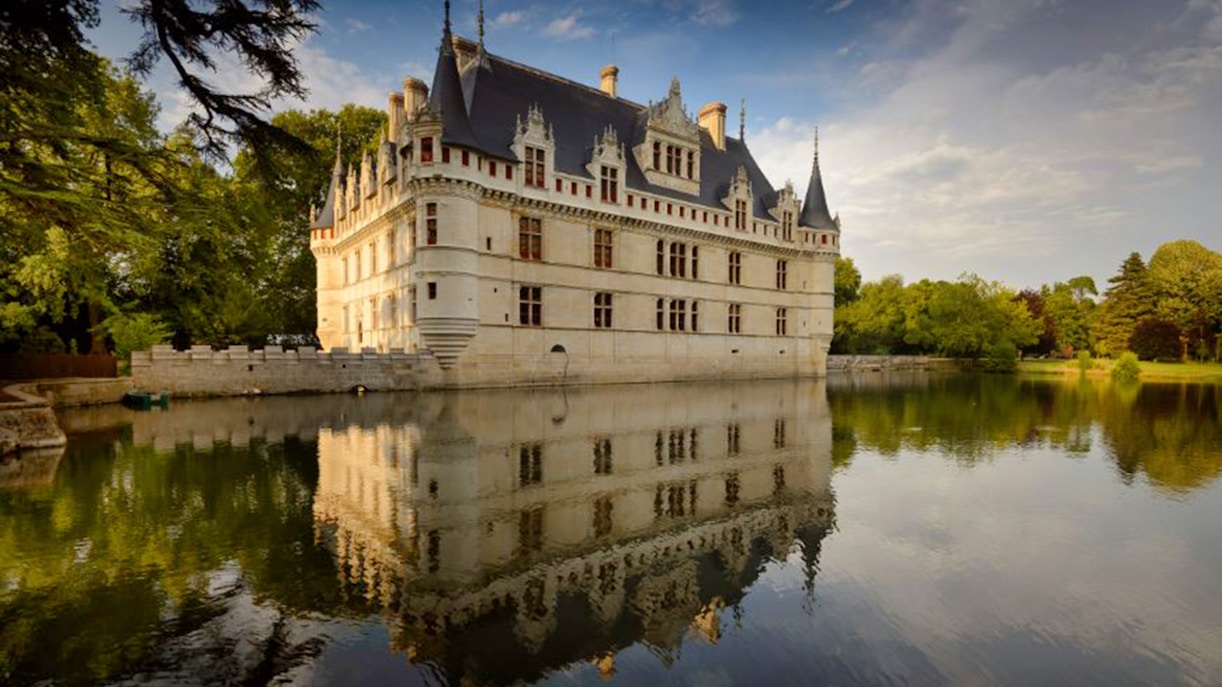
Château d'Azay-le-Rideau
This 16th-century castle stands majestically on an island shaped by the Indre River and is a jewel of early French Renaissance architecture. The chateau is a blend of Italian and French styles, with a rich history and picturesque surroundings, including a romantic 19th-century park
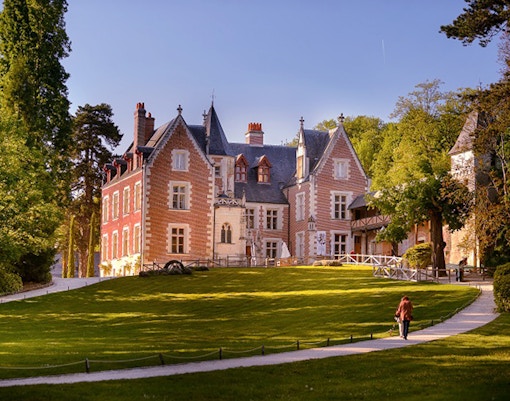
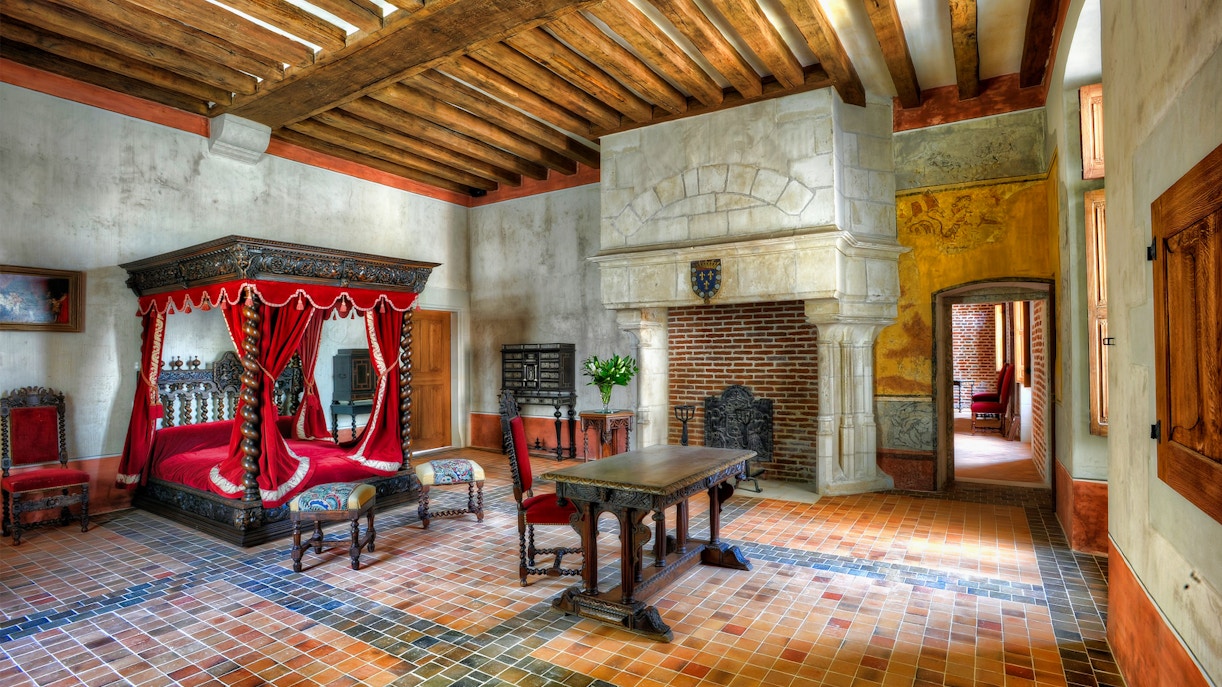
Château du Clos Lucé
This castle represents 800 years of history, from 1471 to present times. Today the chateau is a museum that houses the life's works of Leonardo da Vinci, who spent the last three years of his life at Clos Lucé, creating his masterpieces. Explore the gardens, interact with his creations, and soak in his creativity.
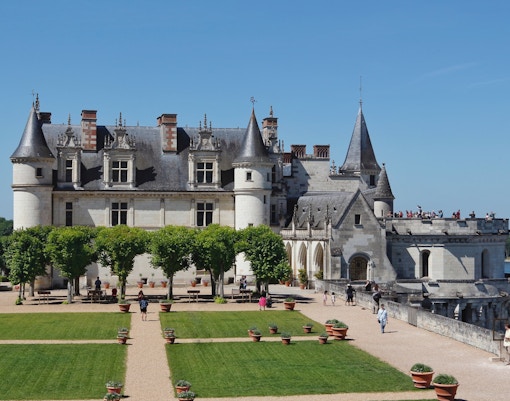
Château d'Amboise
Overlooking the Loire River, this chateau was a medieval fortress transformed into a royal residence by French kings. A blend of Gothic and Renaissance architecture, the castle is the final resting place of Leonardo da Vinci who spent his final years in Amboise as a court artist and an engineer.
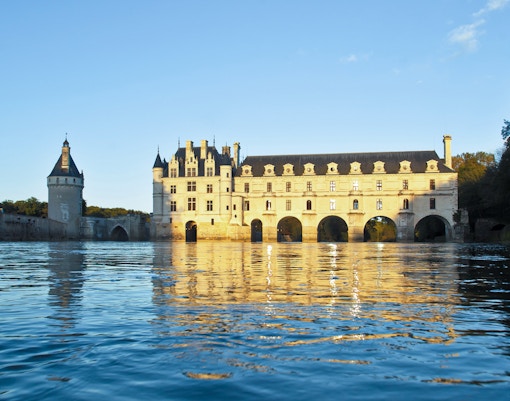
Château de Chenonceau
Known as the “Ladies Château”, it is a Loire Valley gem with exceptional architecture and a rich history of powerful French noblewomen, including Diane de Poitiers and Catherine de Medici. Explore its meticulously manicured gardens, filled with colorful flowers, cascading fountains, and charming labyrinths.
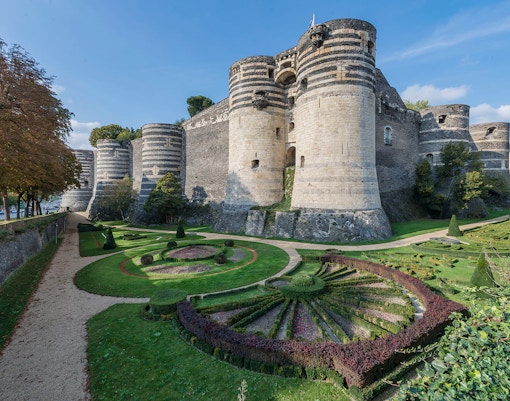
Château d'Angers
Located atop a rock-strewn ledge, along the Maine River, this chateau is a well-preserved 13th-century medieval fortress that was built to protect against British invaders. Today it's a monument, home to Apocalypse, the largest hanging tapestry in the world, and a verdant garden filled with medicinal and dye plants.
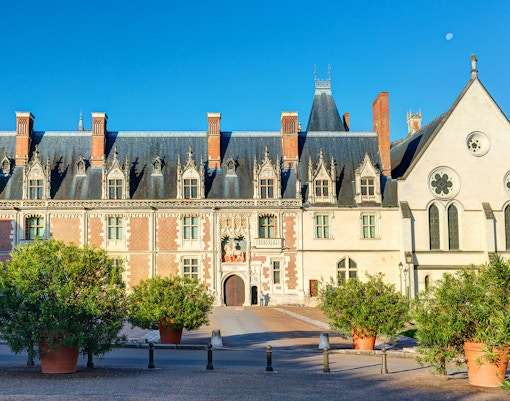
Château Royal de Blois
This chateau is an important Renaissance monument that reflects the evolution of French architecture from the Middle Ages to the 17th century. Today, this museum features over 35,000 masterpieces by greats like Rubens, Ingres, and Boucher.
Plan your visit to the Loire Valley
Spring (April to June): During spring, the chateaux gardens are in full bloom and the climate is warm, ideal for sightseeing and outdoor activities such as cycling and boating tours.
Summer (July to September): During summer, tourist crowds, accommodation rates, and temperatures are high. But the weather is still suitable for outdoor activities such as hot air balloon rides, strolls through wine fairs at Vouvray, and the famous Sound and Light Show at Château Royal de Blois.
Autumn (October to December): During autumn, the valley is blanketed in hues of yellow, gold, and deep oranges and pleasant temperatures. It's also grape harvest season (September-mid November), which means sampling delicious wines at local wineries.
Winter (January to March): Visiting the Loire Valley during winter isn’t a great option because the weather is cold and damp and many chateaux are closed during these months, to carry out restoration and renovation projects.
Season-wise
High season: Summer (July-September)
Shoulder seasons: Autumn (October-December) and spring (April-June)
Low season: Winter (January-March)
Weekday vs Weekend
Since the Loire Valley is a popular tourist destination, weekdays and weekends are generously crowded. However, the only differentiator is that supermarkets, specialty shops, and small winemakers are closed on Sundays.

By train
A train journey from Paris (Paris Montparnasse 1 Et 2) to the Loire Valley will take 2 hours and 30 minutes, with trains running every hour.
Closest stop: Saumur-Rive-DroiteBy car
A car drive from Paris to the Loire Valley will take 3 hours to cover a distance of 300 kilometers. From Paris, drive to A10 in Morand from where it is a straight road for 208 kilometers, to reach the Loire Valley.By bus
A bus runs from Paris (Bercy Seine station) to Blois and takes 3 hours. However, this bus service only runs once/day (and sometimes not even that), usually departing at 12:20pm.
Luxury stays: Fleur de Loire, Les Sources de Cheverny, Les Trésorières, Les Hautes Roches, and Château de Pray
Economical stays: Château d'Artigny, Auberge du Bon Laboureur, Hôtel Restaurant Domaine de la Tortinière, Château de Rochecotte, and Le Prieuré
Budget stays: Campsite Bléré Plage La Gâtine, CIS Nantes Le Spot, Les Chambres du Meunier, Appart Hôtel, and hotelF1 Tours Nord
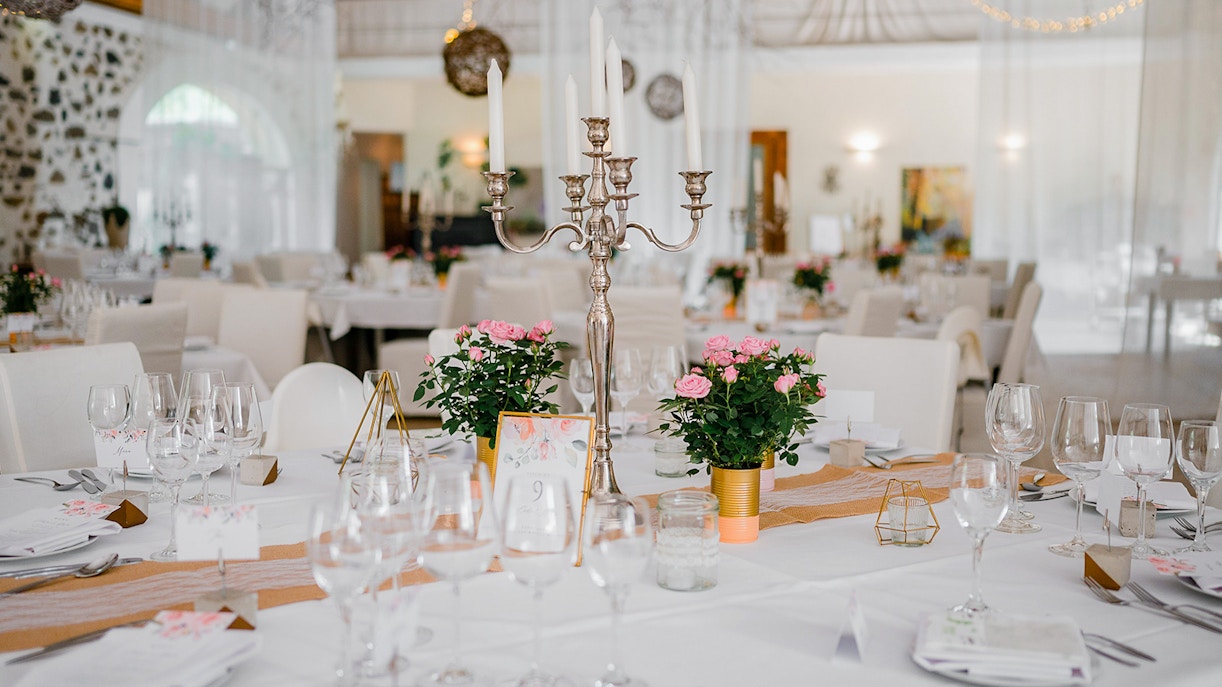
L'Aigle d'Or in Azay-le-Rideau: This a traditional restaurant serving delicate French cuisine. Opt for the prix-fixe menu and enjoy a wholesome meal prepared with local ingredients and flavorful sauces and presented artistically.
*Must-try dish: Dessert of peaches, roasted and served with pistachio ice cream.*Auberge du Cheval Rouge in Chisseaux: Enjoy artisanal French food created by chef Jacques Guillamat, in an outdoor, countryside setting.
*Must-try dishes: Winegrower's pear tart and Williams pear sorbet.*Café de la Promenade in Bourgueil: Enjoy traditional and travel-inspired dishes made with local and artisanal ingredients.
*Must-try dish: Brunch inspired by different countries, served on the first Sunday of every month.*Casse-Cailloux in Tours: This gourmet bistro serves seasonal French dishes, complemented by local Loire wines.
*Must-try dishes: Desserts and wines*Le Caravage in Loches: A lounge bar within the citadel city of Loches, Le Caravage is a great spot to sit back, sip on cocktails (or wine), dig into a salad, and enjoy a quiet (rooftop) evening unless there’s a live band performance (which visitors enjoy!).
*Must-try dishes: Sardine rillettes and chickpea hummus.*
Yes, the castle tours, wine tasting, and food indulgence apart, here are 6 other enjoyable things to do in the Loire Valley:
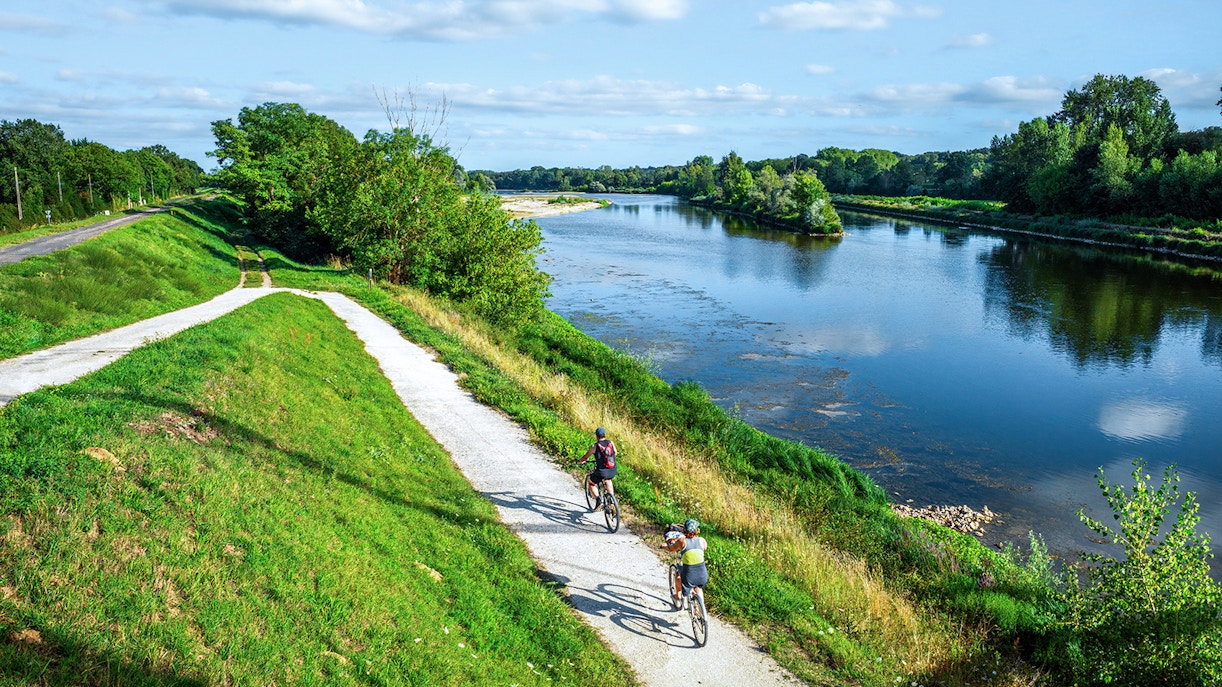
- Rent a bike and cycle along the Loire River to discover hidden villages and cities that follow the 900-kilometer (560-mile) curve of the river.
- Try local specialties at guinguette (temporary restaurants along the river), which pop up along the Loire river bank in the spring season. Try fouées, tapées, and zander with a beurre blanc.
- Explore troglodyte villages in Saumur, where houses are dug into rocks and caves spread beneath your feet for 1,000-kilometers (620 miles).
- Visit the vast underground cathedral Mystère des Faluns, the only one of its kind in France.
- Depending on the weather, you can book a boat tour to embark on a peaceful and picturesque cruise on the sparkling waters of the Loire River.
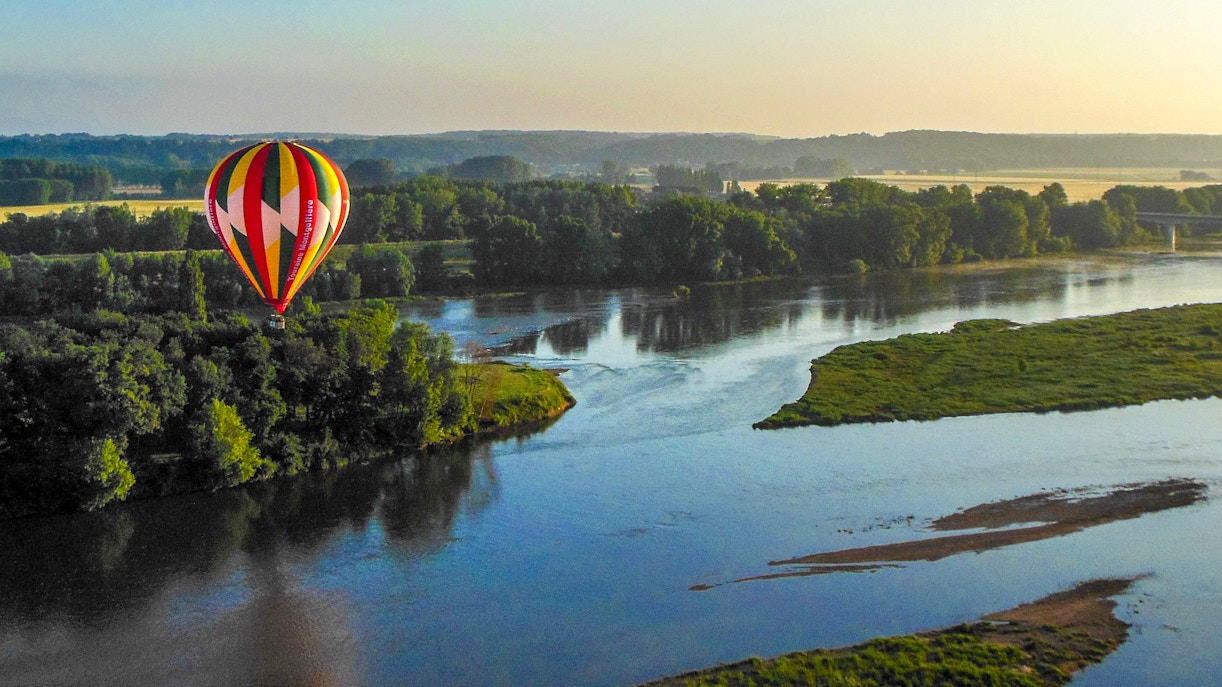
- If you’re feeling adventurous, book a hot air balloon ride to enjoy aerial views of the stunning countryside and gorgeous Loire Valley chateaux.
Towns
When visiting the Loire Valley, here’s a list of 8 important towns to visit and stay in:
Nantes
Located in the northwest region of France, at the mouth of the Loire River, Nantes is the capital of the Loire-Atlantique department. The city is marked by its old port past but evolving to the new millennium, by adapting to new culture and digital technologies.
*Must-visit: Château des Ducs de Bretagne and the Cathédrale Saint-Pierre-et-Saint-Paul*
*Local dish: Gâteau Nantais, a rum-flavored cake*
Angers
Situated in the Maine-et-Loire department, Angers is called ‘France’s greenest city’ for maintaining an impressive average of 100 sqm of green space per inhabitant.
Must-visit: Cité district and Angers Cathedral
*Local dish: Quernons d'Ardoise, a chocolate and nougat candy*
Saumur
Located in the Maine-et-Loire department, Saumur is famous for its equestrian traditions and Cavalry school, which still trains the officers of the French army’s armored units.
*Must-visit: Maison du Roi and the Museum of the Armored Vehicles*
*Local dish: Fouées de Saumur, a ball of bread filled with rillettes, mushrooms, mogettes, or butter*
Tours
The capital of the Indre-et-Loire department, Tours is a vibrant city buzzing with Parisians, eager to enjoy a weekend away from their city. Crossed by two rivers, this city maintains its timeless reputation as the “Garden of France”, with several open spaces.
*Must-visit: Place Plumereau, The Museum of Compagnons, and the traditional markets*
*Local dish: Rillettes de Tours, a type of pork spread*
Amboise
Situated in the Indre-et-Loire department, Amboise is known for its historical links to the French royal family, its markets, and its connection to Leonardo da Vinci.
*Must-visit: Clos Lucé, the final resting place of da Vinci, and its gardens which have been transformed into a mini-amusement park decorated with Loenardo’s masterpieces*
*Local dish: Rillons d'Amboise, a pork confit*
Blois
Located in the Loir-et-Cher department, Blois is famous for its stunning royal chateau - The Royal Chateau of Blois, home to an impressive 17 kings and queens throughout its 10-century history.
*Must-visit: Musée d'Histoire Naturelle and the gardens of the bishop’s palace*
*Local dish: Pithiviers de Blois, round puff pastry with a sweet or savory filling*
Orleans
The capital of the Loiret department, Orleans has a special reputation for being saved by Joan of Arc from the English siege in 1492. The city's rich history is complemented by beautiful architecture.
Must-visit: Cathédrale Sainte-Croix, the Musée des Beaux-Arts, and the Maison de Jeanne d'Arc
*Local dish: Tarte Tatin, a delicious upside-down caramelized apple tart*
Loches
A charming commune in the Indre-et-Loire department, Loches is famous for its castle Chateau de Loches, a former royal residence. Today, Loches has no less than 26 buildings listed or registered as historical monuments.
*Must-visit: Visit the keep of the castle and walk through the city's small streets*
*Local dish: Galette de Loches, a savory pancake*
Visitor tips
- The Loire Valley has roughly 300 chateaux and it is not possible to visit each one of them. It is important that you do your research and plan an itinerary of the chateaux that you want to visit.
- If you’re planning a day trip from Paris to the Loire Valley, there are some interesting combo tours you can choose from which will include important chateaux visits + lunch + wine tasting.
- Even though the Loire Valley has a well connected public transportation system, renting a car (at the valley or in Paris) will help you move faster between chateaux. Make arrangements for this, along with your tickets.
- Exploring the famous Loire Valley chateaux will take a maximum of 3 days. So before booking your chateâux tickets, pick a central location for your stay - Cher, Indre, Indre et Loire, or Loire et Cher.
- Plan your castle sightseeing days so you can book your tickets accordingly. The tickets are non-cancellable, so plan well and in advance. If planned well, you can visit two castles in a day.
- If you’re on a tight budget, look out for combo deals that will allow you to explore a chateau and 1 or 2 castles, with the same ticket.
- Check if your ticket comes with a guided audio tour. If it doesn’t, but there is an option to upgrade, opt for it. It’ll help you better understand and appreciate what you see.
Frequently asked questions about the Loire Valley
Although home to 300 castles, which is an impossible number to cover, here are 8 of the most beautiful castles that you should explore in the Loire Valley: Domaine du Château de Chaumont-sur-Loire, Château de Chambord, Château d'Azay-le-Rideau, Château du Clos Lucé, Château d'AmboiseChâteau de Chenonceau, Château d'Angers, Château Royal de Blois.
Yes, you can. Booking a Loire castle for a night stay is a dream come true, and here are a few that you can book: Château du Rivau, Château de Chissay, Château des Forges, Château de Ternay, Château de Perreux.
Yes, you need to buy an entry ticket to visit the châteaux in the Loire Valley. Every chateâu/castle has its entry ticket. It is recommended to book these tickets online, especially during peak tourist seasons, to avoid the long queues.
The Loire Valley offers a range of accommodations, from luxury hotels to cozy B&Bs. If you’re looking for out of the ordinary, here are a few unique stay options: Le Point De Vue De Leonard, Chateau de Nazelles, L'Ancien Pressoir, and Au Petit Troglo.
Absolutely! The Loire Valley offers many family-friendly activities and sights, including spacious gardens, engaging historical tours, and outdoor adventures. If you’re traveling with kids, don’t miss out on meeting the animals at La Fleche Zoo, explore and learn about the exhibits at the Museum of Natural History and, explore underground caves in Troglodyte village, and enjoy the beautiful landscapes of the valley on a bicycle tour.
The Loire à Vélo trail is a popular and scenic cycling route along the Loire River. For hiking enthusiasts, the Loire Valley offers several trails through vineyards and historical towns, such as the GR3 long-distance hiking trail.
The region is known for its artisanal crafts, including pottery from La Borne and tapestries from Aubusson. Local markets also offer unique items like handmade jewelry, regional food products, and antiques. Souvenirs that you should pick up on your trip to the Loire Valley are local wines, Faience pottery, a red Cholet handkerchief, and a box of pralines.
More than 1000 vineyards are open to the public in the Loire Valley, including 400 specially accredited wine cellars, where you can meet the winemakers and taste their wine varieties too. Some wineries (such as Cave de Vouvray, Château de Minière, and Caves Ambacia) offer guided tours that include walks through the vineyards, visits to the cellars, and insights into the wine-making process, along with tastings of local wines.