
Loire Valley Tickets

Why visit?

Placeholder Image Headout Blimp
1/4

A legacy of women, not war

Chenonceau’s story is unlike any other. Known as the Ladies’ Castle, its history is shaped by powerful women like Diane de Poitiers and Catherine de’ Medici—who didn’t just live here, but redesigned, expanded, and redefined it.

The Grand Gallery over River Cher

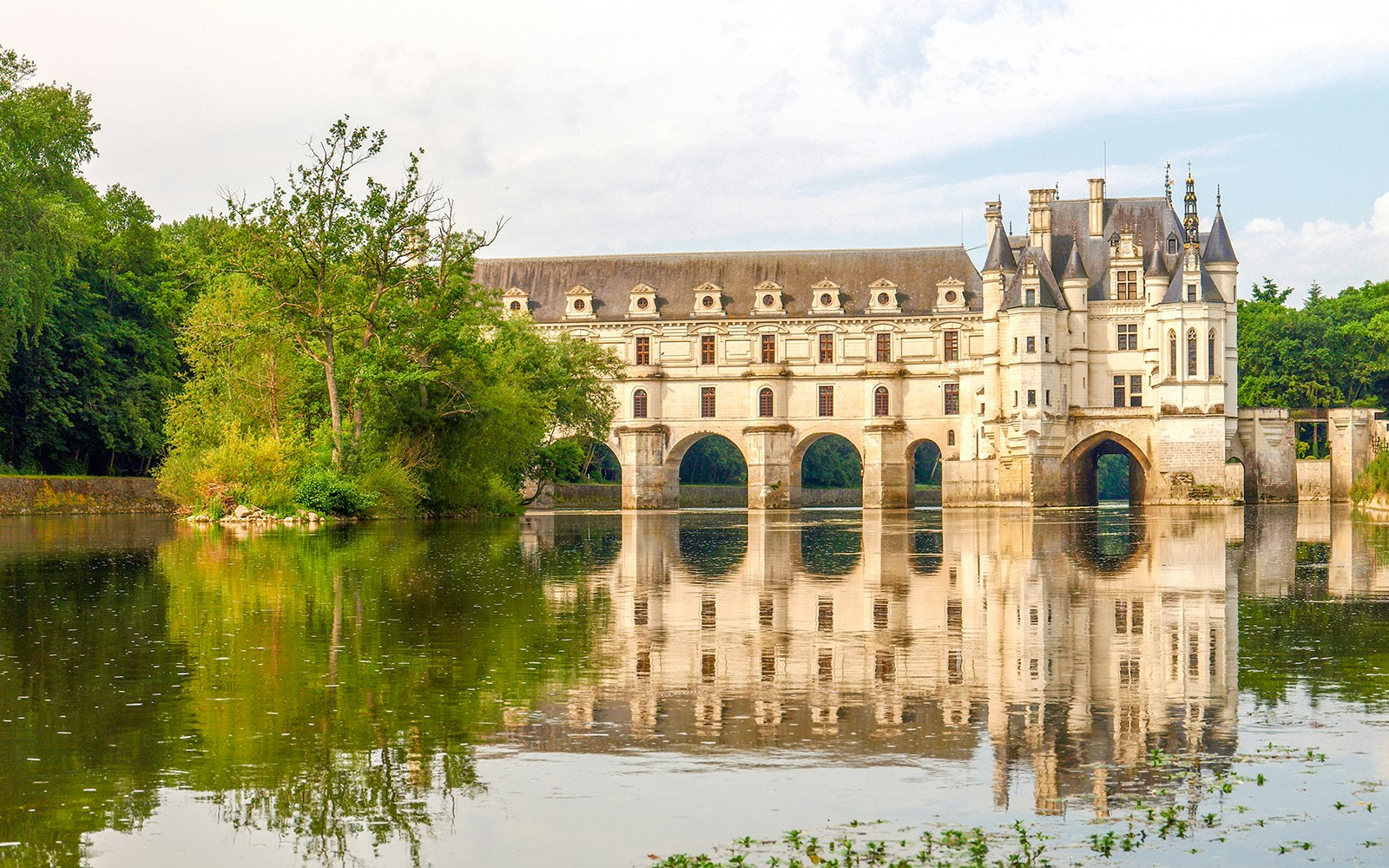
A true architectural standout, the castle's two-story gallery stretches across the Cher River. Built by Catherine de’ Medici, it once hosted lavish royal events and now offers one of the most iconic castle views in the Loire.

Scenic river views & reflections

Few sights rival Chenonceau’s arches mirrored in the river below. Whether you’re crossing the gallery or strolling the gardens, the riverside setting adds a unique calm—and some stunning photo opportunities.

Rich history in every room

From Renaissance queens to Enlightenment salons, Chenonceau reflects 500 years of French history. Each room reveals stories of love, rivalry, power, and influence—making it much more than just a pretty castle.

What to see

The iconic gallery

The iconic gallery

Spanning the Cher River, this two-storey gallery is a true testament to the Renaissance grandeur. Initially created by Diane de Poitiers and later expanded by Catherine de’ Medici, it houses a unique collection of artworks, tapestries, and paintings.

Placeholder Image Headout Blimp

History

The Chenonceau Castle has a long and fascinating history, intertwined with the lives of some of the most powerful women in French history. Built in the 16th century, it was initially constructed by Katherine Briçonnet, but it was under Diane de Poitiers that the castle began to shine. Diane, the mistress of King Henry II, was given the castle as a symbol of the king's affection. She added the gallery that spans the Cher River, a hallmark of Renaissance architecture. However, after Henry II’s death, the castle passed to Catherine de’ Medici, the queen who had been married to Henry. She further expanded the gardens and added her personal touches to the castle, making it one of the most opulent ones in the Loire Valley. Over the centuries, Chenonceau has been a symbol of power, beauty, and feminine influence, with each woman leaving her indelible mark on its legacy.

Architecture

The architecture of the Chenonceau Castle is an exquisite mix of Gothic and Renaissance styles, with a focus on symmetry, light, and harmony. The two-story gallery, which spans the Cher River, is the defining feature of the castle. It was designed to serve as both a functional living space and a symbol of Diane de Poitiers’ power. Inside, it is decorated with intricate Renaissance details, fireplaces, and tapestries, many of which have been preserved from its royal days. Outside, the expansive gardens are just as integral to the castle’s design as the building itself, with every flower and tree carefully chosen by Diane and Catherine to symbolize their respective status.

FAQ's

The castle’s story is shaped by women like Diane de Poitiers, Catherine de’ Medici, Louise Dupin, and Marguerite Pelouze. Each left a lasting mark—whether by designing gardens, expanding the castle, hosting people, or restoring its beauty.